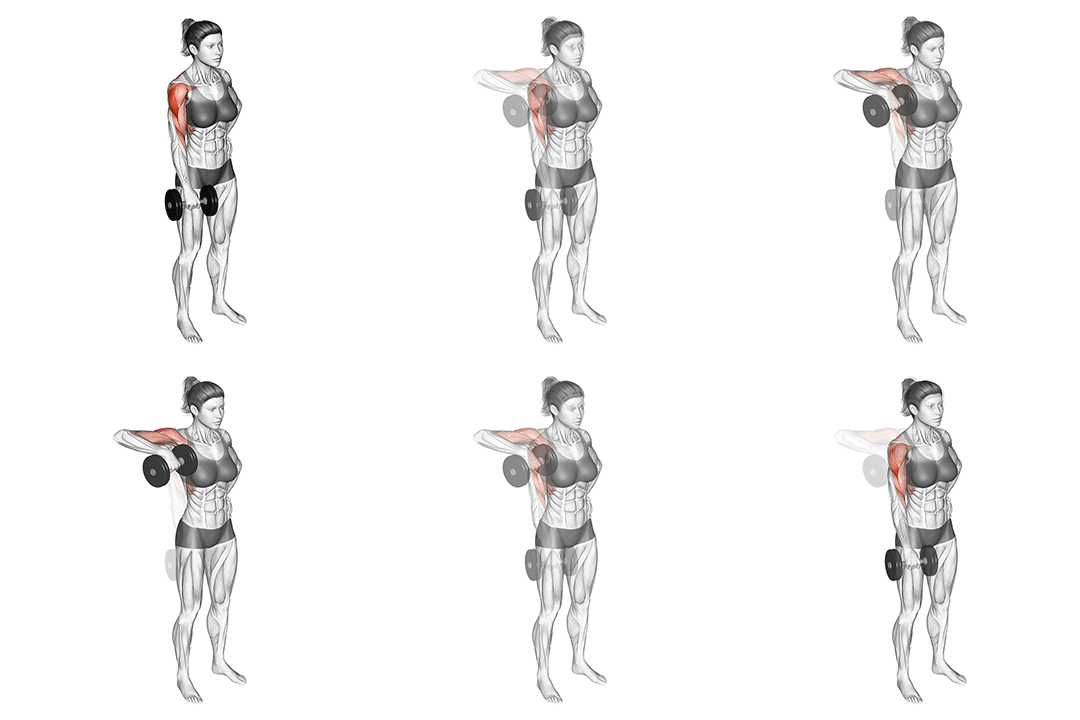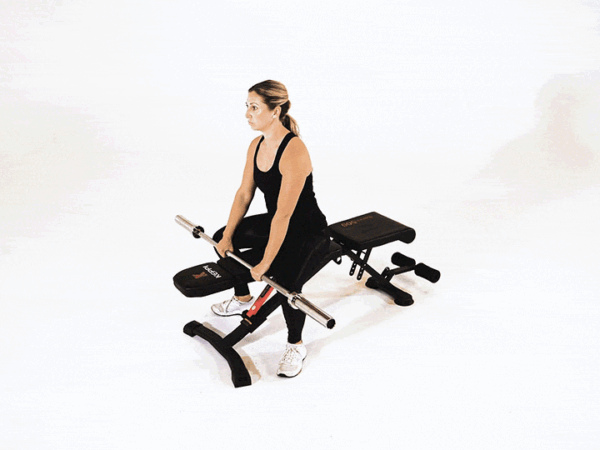
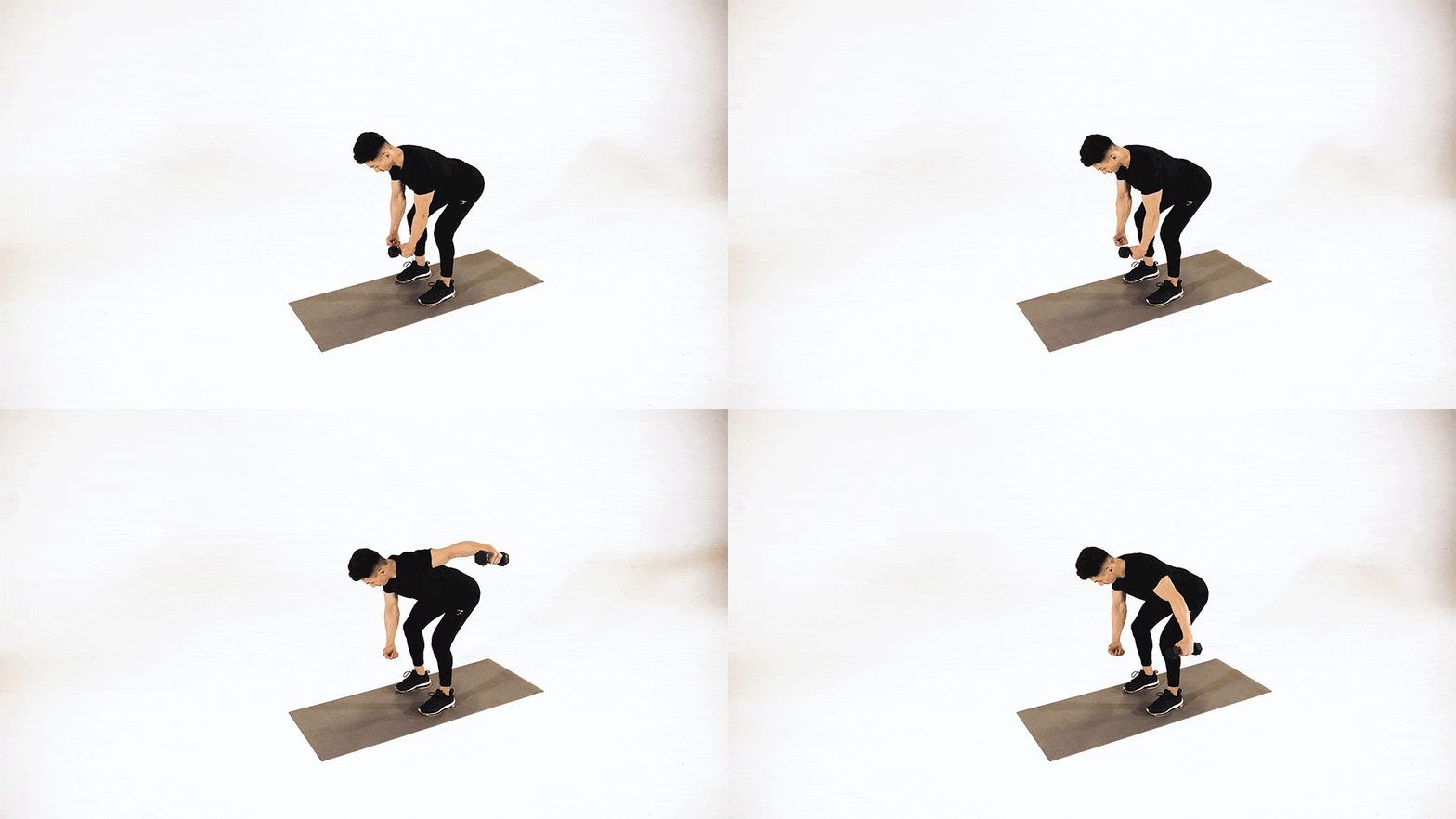
The “Single-Arm Dumbbell Bent-Over Reverse Fly” is an effective exercise for strengthening the rear shoulder muscles and the upper body. In this movement, the individual stands bent forward with a dumbbell in hand, performing the reverse fly. This exercise is particularly beneficial for strengthening the posterior deltoid muscles (rear shoulders) and improves the strength and appearance of the upper back muscles.
One of the unique features of this exercise is the use of a single dumbbell, which allows the muscles on each side of the body to work independently, preventing muscular imbalances. This exercise also requires high concentration and coordination between the hands and body, which improves overall body function.
Target Muscle
The primary muscle targeted in the “Single-Arm Dumbbell Bent-Over Reverse Fly” is the posterior deltoid (rear shoulder). These muscles are essential for prominent and strong shoulders and play a crucial role in maintaining the stability and flexibility of the shoulder joint. The reverse fly movement ensures these muscles are significantly activated and strengthened.
Other muscles, such as the muscles of the back and upper back, like the trapezius and rotator cuff muscles, are also engaged in this exercise. These muscles help stabilize the shoulders and back, strengthening the upper back area. In fact, besides the posterior deltoid, this exercise is an excellent workout for strengthening the lower back muscles as well.
Secondary Muscles Engaged
In addition to the target muscles, this exercise indirectly affects the abdominal and lower back muscles. To maintain balance during the movement, the abdominal and lower back muscles are activated simultaneously. These muscles are essential for body stability and preventing forward or backward falls. Furthermore, the calf muscles and the iliopsoas muscles (hip and glute muscles) are also engaged to aid in body balance and stability.
This exercise is particularly effective for strengthening the back muscles and correcting muscular imbalances in the back. Using a single dumbbell allows each side of the body to work independently, establishing muscular balance. This is especially helpful in improving body muscle symmetry and preventing muscular problems.
How to Perform the Exercise
To perform the “Single-Arm Dumbbell Bent-Over Reverse Fly,” first, pick up a suitable dumbbell in your left or right hand. Then, bend forward at the hips so your torso is at an angle of about 45 degrees to the ground. Ensure you keep your spine straight and avoid excessive rounding of your lower back.
Next, raise the dumbbell outward and horizontally until your posterior deltoid muscles are fully engaged. During the movement, ensure your motion is controlled and avoid using jerky movements. At the end of the movement, slowly return the dumbbell to the starting position, keeping your focus on your rear shoulder muscles.
Equipment Needed
- Dumbbell of appropriate weight (it is recommended to start with a lighter weight)
- Appropriate athletic shoes for maintaining balance
- Sufficient space to perform the exercise and allow free movement of the dumbbell
- Comfortable workout clothing for greater freedom of movement
Yes, beginners can benefit from this exercise by using lighter dumbbells and focusing on proper technique.
It is recommended to perform 3 sets of 12-15 repetitions, but you can adjust the number according to your fitness level.
Yes, this exercise is excellent for strengthening the posterior deltoid muscles.
If performed with correct technique and appropriate weight, this exercise should not put excessive strain on the lower back. It is recommended to pay close attention to maintaining a proper lower back posture.
How to perform
-
Step 1
Stand upright with your feet shoulder-width apart, holding a dumbbell in one hand by your side.
-
Step 2
Bend forward at the hips until your torso is nearly parallel to the ground, bringing the dumbbell down towards your knees.
-
Step 3
Slowly raise the arm holding the dumbbell upwards and outwards, keeping a slight bend in your elbow, until the dumbbell is around head height and you feel a contraction in your rear shoulder.
-
Step 4
Hold this position for a moment, then slowly lower the dumbbell back to the starting position.
-
Step 5
Complete the desired number of repetitions and sets.