Optimum Nutrition creatine powder is a straightforward product category to understand: creatine monohydrate in powder form. The challenge for most beginners is not discovering a complicated dosing trick. It is choosing an appropriate routine, measuring it correctly and keeping training consistent enough to evaluate.
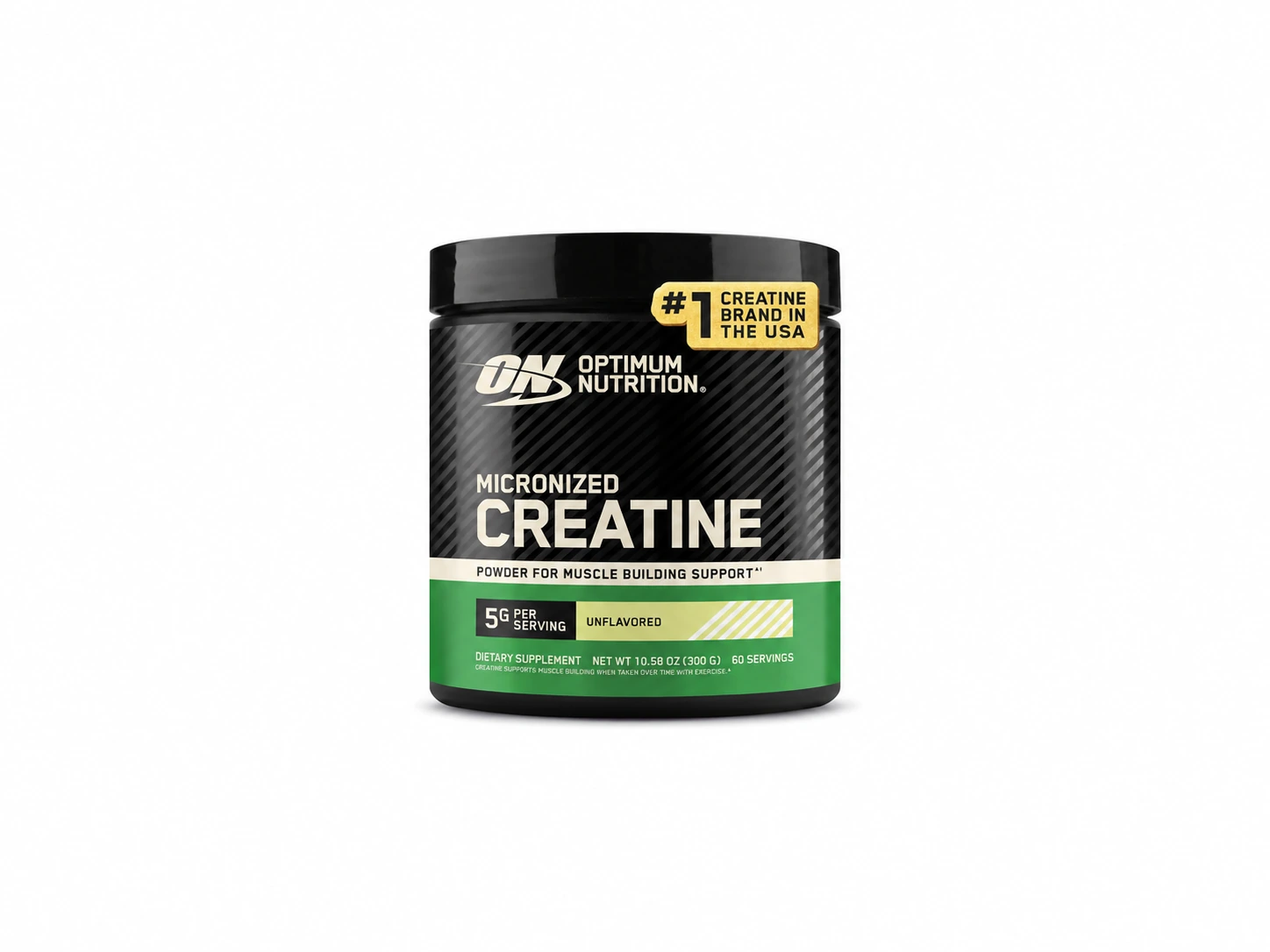
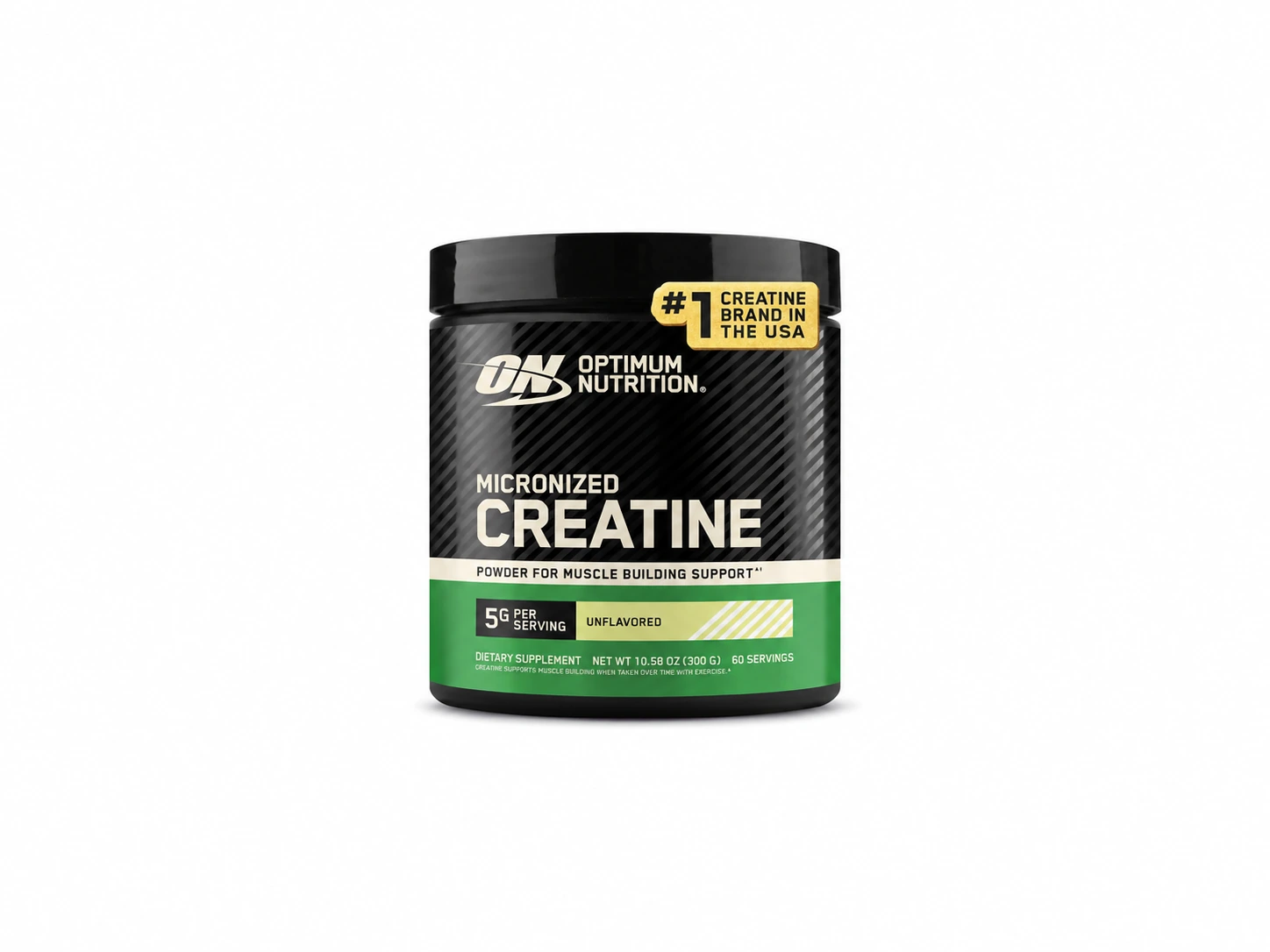
The unflavored Optimum Nutrition creatine powder on BenFit is listed as a roughly 10 oz container. Check the actual net weight and serving panel rather than relying on the abbreviated product title. This guide explains a simple approach without treating a loading phase, a special drink or exact workout timing as mandatory.
At a glance
| Question | Practical answer |
|---|---|
| Format | Unflavored micronized creatine monohydrate powder |
| Routine discussed | Daily use without a mandatory loading phase |
| Quantity check | Use the actual net weight and serving panel |
| Progress measure | Training consistency and comparable logbook entries |
Understand what “micronized” means for the decision
Micronized refers to particle size. It does not mean the product is a different category of muscle-building ingredient or that you should use an increased amount. Compare creatine monohydrate content, clear labeling and product verification before treating a mixing claim as a performance advantage.
A useful product comparison asks: how much creatine is in a serving, how many servings do I get, and can I follow this routine comfortably? Marketing badges and large text on the tub cannot answer all three.
The creatine research review supports monohydrate as an established form and explains that loading is not essential. A daily approach builds stores more gradually. That is ingredient-level evidence, not a personal test of this tub.
A no-loading routine for an eligible adult
A commonly studied maintenance intake is 3–5 g daily in healthy adults. Use the directions on your container and obtain individual advice when medical circumstances apply. The point of a no-loading approach is simplicity, not an invitation to ignore the label.
Pick one reliable daily cue, such as breakfast. Use a measured serving, mix it as directed, and note it in the same place as your workout log. Keep the cue on non-training days so you do not have to remember a separate rest-day rule.
If you miss a serving, return to the ordinary routine rather than doubling up. Do not let a missed day become an excuse to abandon the month, and do not make a larger dose the default response to a disappointing workout.
Scoop size, powder weight and serving arithmetic
Different powders can have different scoop sizes. Do not use a protein scoop to estimate creatine, and do not assume one teaspoon of every powder weighs the same. Use the included measure as instructed or a suitable scale if you need to measure the label amount accurately.
For planning only, a 300 g container divided into 5 g portions contains 60 portions. The actual label takes priority if its contents or serving size differ. This arithmetic helps compare costs and plan a reorder; it is not a reason to stretch a serving inaccurately.
Store the powder as directed and use a dry scoop. Avoid leaving the open tub where kitchen steam or water from your shaker can enter it. A simple, clean measuring routine is easier to maintain than a complicated supplement station.
Does the timing around training matter?
The strongest practical priority is a routine you can repeat. If breakfast works every day, do not complicate it because your workout moves between morning and evening. A narrow timing rule can make adherence worse without solving the main problem.
You can use a separate drink or combine compatible powders, but count each ingredient independently. If a pre-workout already contains creatine, record that amount before adding more. The bottle you mix it in does not change the total intake.
For a portable option, see the BlenderBottle Sport Sleek. If measuring powder is inconvenient while traveling, compare creatine capsules and their actual capsule count per serving rather than assuming one capsule is equivalent to one scoop.
An eight-session beginner log
Instead of asking whether the creatine is working after three days, plan eight manageable training sessions. Use a consistent selection of exercises and write down repetitions and load. The goal is to create comparable observations.
For each session, record four items: movement, work sets, repetitions and a short technique note. A note such as “all repetitions controlled” is more useful than “felt intense.” Choose loads that leave room for additional clean repetitions, especially while learning.
After sessions one and two, repeat the same basic structure. In later sessions, add a repetition only where control remains good. Once you can comfortably perform the top of your chosen repetition range, consider the smallest available weight increase. Do not progress every movement automatically on the same day.
This is an illustrative planning method for healthy adults, not a rehabilitation program. New pain, dizziness or unusual symptoms are reasons to stop and seek appropriate advice. Use the BenFit exercise library for references, and ask a coach to check technique when needed.
How to interpret the scale
Creatine use can change body water, so an early scale increase does not automatically mean you gained fat. Likewise, it is not proof that every extra pound is muscle. Avoid changing your entire food plan in response to one measurement.
Use consistent weigh-in conditions if tracking weight is appropriate for you, and keep the training log alongside the scale trend. Improvements in exercise control, repetitions and attendance are meaningful behaviors even when body weight is temporarily noisy.
For a broader discussion of fitness habits, read BenFit’s strength training, protein and sleep after 40 guide. A supplement decision should sit inside that bigger picture.
Safety and quality checks
Healthy-adult research should not be generalized to every medical situation. Talk with your clinician before use if you have kidney disease, an unexplained abnormal kidney test, a relevant medication regimen, are pregnant or breastfeeding, or are under 18. Tell clinicians about creatine use when discussing laboratory results.
Buy from a traceable seller and check the seal and expiry date. If independent sport testing matters to you, verify the exact product in the relevant certifier’s directory rather than assuming every product from the same brand has identical coverage.
Do not treat stomach discomfort as evidence that the supplement is powerful. Stop and seek advice if symptoms persist. A routine you cannot tolerate is not a successful routine.
Frequently asked questions
Do beginners need creatine?
No. Beginners can build a useful training routine without it. It is an optional addition after the basics are organized.
Must I load for the first week?
No. A no-loading approach is a legitimate way to organize daily use. It takes a more gradual route and is often simpler.
Should I take it on rest days?
A consistent daily routine is commonly used. Follow the product directions and the individualized plan you have agreed on.
Is this different from Blueprint creatine?
Both listings describe creatine monohydrate powder. Compare verified labeling, cost and practical preferences rather than expecting the brand name alone to determine results.
Start with a program you can repeat
See BenFit coaching options if you want a planned progression for home or gym training. Then decide whether this creatine powder adds enough convenience and value to earn a place in that routine.
Ready for a structured program? Start the BenFit Essential online program, or compare all online and one-on-one options. Learn about the coach and BenFit approach before choosing.
Related BenFit guides
- Blueprint Creatine: Benefits, Daily Use and a Strength-Training Plan
- Optimum Nutrition Creatine Capsules: Dose Math, Travel and Powder Comparison
Sources and product information
Sources and live product listings checked September 11, 2026. Manufacturer pages identify products and label details; research sources support ingredient-level discussion. Neither implies independent testing of the listed retail product.
Scope: General educational information for adults, not individualized medical, nutrition or rehabilitation advice. Training examples require adjustment to your ability, equipment and health circumstances.