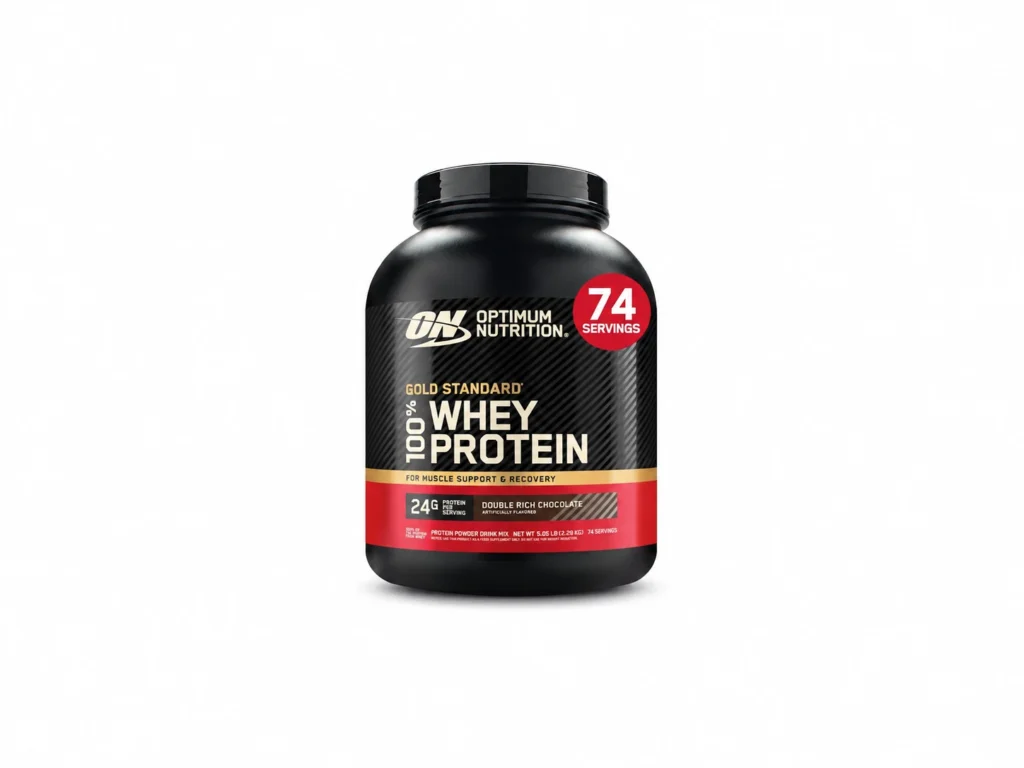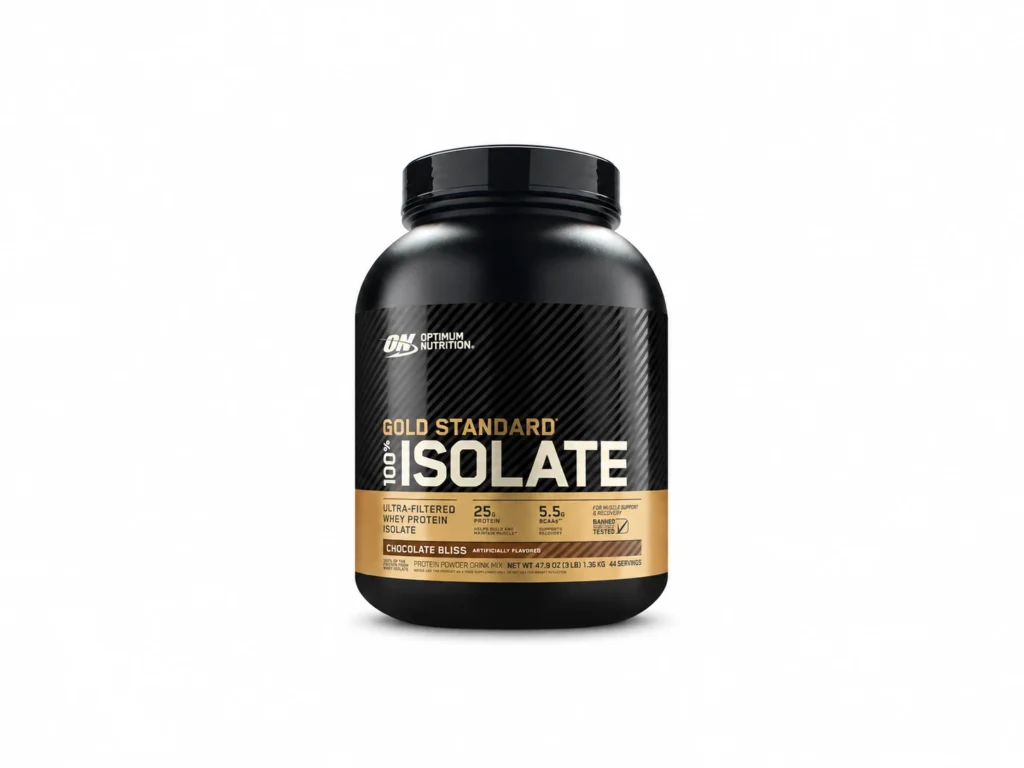
Blueprint creatine is worth considering when you already have a strength-training routine and want a straightforward way to add creatine monohydrate. The deciding factors are the ingredient, a suitable daily amount, reliable product information and whether you will use it consistently. A recognizable founder is not evidence that one creatine brand builds more muscle than another.
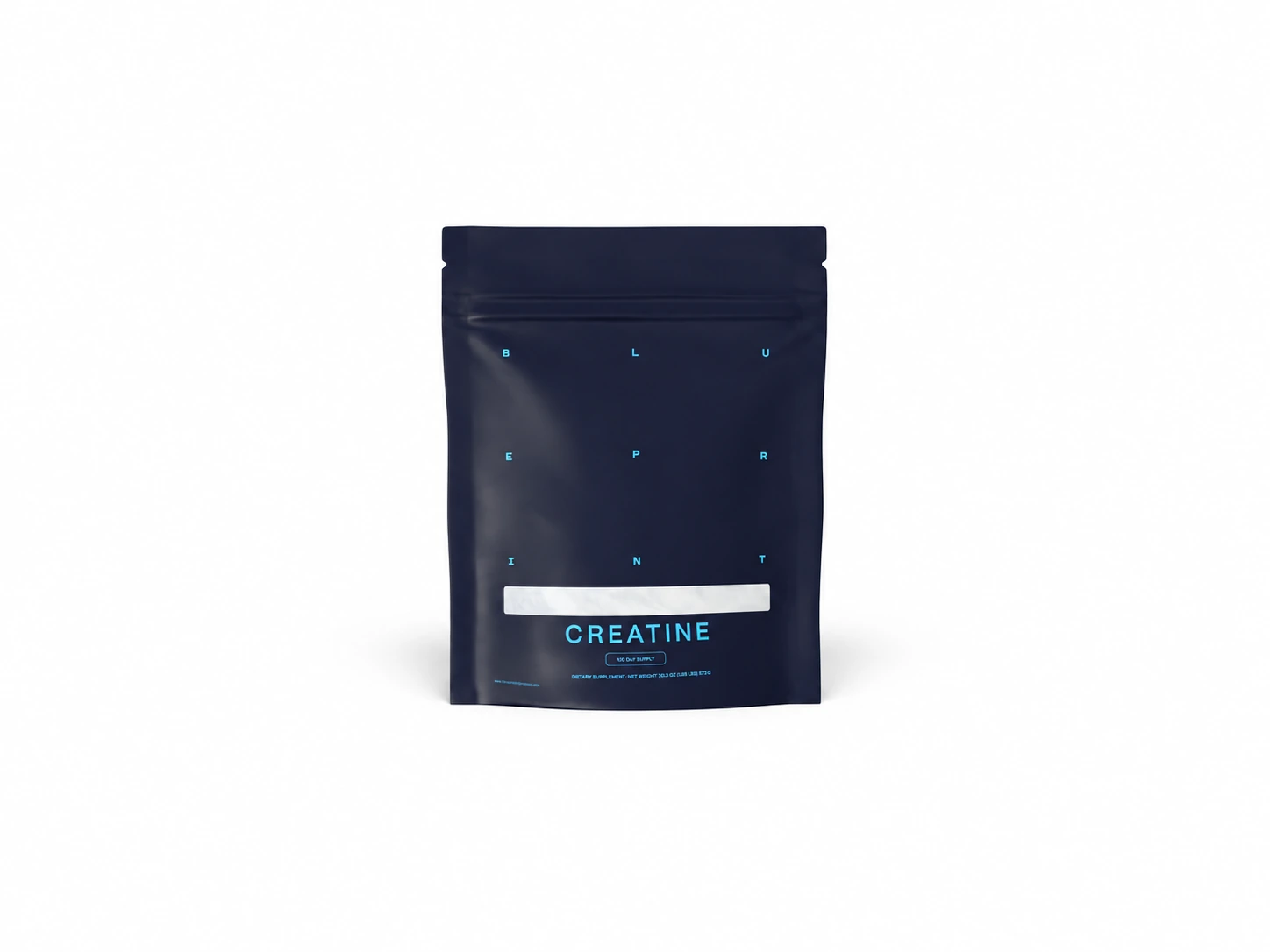
The Blueprint creatine listing on BenFit describes an unflavored powder and a 5 g serving. This guide explains what that means, how to organize daily use, and how to evaluate progress without confusing supplement use with training progress. It is an evidence-informed buying guide rather than a personal product trial.
At a glance
| Question | Practical answer |
|---|---|
| Listed format | Unflavored creatine monohydrate powder |
| Listed serving | 5 g; verify the current bag |
| Main use discussed | Supporting a consistent strength-training routine |
| Buying priority | Clear serving information, traceable testing and cost |
What creatine can reasonably do
Creatine helps replenish the energy system used during short, demanding muscular efforts. The ISSN position stand on creatine supports creatine monohydrate for high-intensity exercise capacity and training-related gains in lean mass. That evidence concerns the ingredient, not a head-to-head proof that Blueprint outperforms other verified monohydrate products.
Think of it as a possible support for the work you perform repeatedly. It does not teach technique, choose an appropriate load or make an inconsistent program progressive. Someone who changes every exercise each week will still have difficulty judging improvement after adding a supplement.
Claims about focus or longevity should be considered separately from strength evidence. Do not interpret a broad wellness positioning as proof that this product prevents age-related disease or provides a measurable cognitive benefit for every user.
Check the bag before deciding
Compare the BenFit listing with the manufacturer’s current creatine page. Confirm the serving size, net contents, ingredients and any testing documentation that applies to the actual product. A scoop is a measuring tool, not a universal unit across brands.
If the bag provides 100 servings at your chosen serving amount, one serving per day would last 100 days. That is simple planning arithmetic, not a reason to take more. If the current package has a different count or directions, use those values instead.
Testing claims should be specific. Look for an identifiable program or batch report where available, and distinguish identity or contaminant testing from proof of performance. Neither a polished label nor a high review score answers all those questions.
Daily use: make the decision simple
For healthy adults, 3–5 g daily is a commonly studied maintenance approach, and loading is optional. The creatine evidence review explains that a lower daily approach can build stores without a loading phase. Follow the actual product directions and seek individualized advice if your circumstances differ.
A practical habit is to attach the serving to an existing meal. Put a reminder beside the breakfast bowl or another routine you already follow. On rest days, use the same cue. The goal is to avoid making a new decision every morning.
If you miss a day, return to your normal schedule. Do not turn a forgotten serving into an unsupervised catch-up dose. If you use a combination pre-workout or recovery powder, check whether it already contains creatine before adding a separate serving.
A simple training framework to pair with it
For a healthy adult who is already comfortable with basic exercises, the following is an illustrative starting framework. It is not an individualized prescription. Choose movements you can perform comfortably, and get coaching if technique is unfamiliar.
Session A: a squat variation, a horizontal push, a supported row and a comfortable carry. Session B: a hip-hinge variation, a supported split squat, a pulldown or band pull, and a simple trunk-stability exercise.
Start with two manageable sessions on nonconsecutive days. For the main movements, two controlled work sets of roughly 8–12 repetitions can provide a clear logbook structure. Leave several good repetitions available rather than forcing a grinding final repetition. Rest until you are ready to repeat the movement with control.
Progress by improving one thing at a time: a little more range within comfort, an extra repetition, or the smallest available load increase. If technique deteriorates, keep the current load. The supplement should never be the reason you ignore pain or skip a warm-up.
Use the BenFit exercise library for movement references and the strength exercises after 40 guide for related reading. A qualified coach can select alternatives for your equipment and current ability.
A four-week logbook that measures useful changes
During week one, record the exercise, load, sets and repetitions. Write a brief note about how controlled the movement felt. Keep the exercises stable enough that later comparisons mean something.
In week two, aim to repeat the sessions. In week three, add a small progression only where the previous work felt manageable. In week four, compare completed training, not just body weight. More consistent sessions and improved repetitions at the same load are easier to interpret than a single scale reading.
Early weight change can include water associated with creatine use. Do not automatically label that as fat gain or assume every increase is new muscle. If you track weight, use comparable conditions and look at the pattern alongside your training record.
Who should get medical guidance first?
Discuss creatine with your clinician if you have kidney disease, are being monitored for kidney problems, are pregnant or breastfeeding, are under 18, or have a relevant medical condition or medication regimen. Tell your healthcare professional that you use creatine when blood tests are interpreted. General safety findings in healthy adults do not replace an individual assessment.
If you develop persistent symptoms after introducing a product, stop and get advice rather than adding another supplement to manage them. A smaller list of products makes it easier to understand what you are taking and why.
Blueprint versus another monohydrate product
Compare cost per planned daily amount, serving clarity, product verification and convenience. Optimum Nutrition creatine powder is another powder format in the BenFit shop. Creatine capsules offer portability but require checking how many capsules make the intended amount.
The best choice is not automatically the most expensive or the one with the longest list of benefits. It is the option that fits a sensible plan, has clear labeling and is practical for your day.
Frequently asked questions
Do I need a loading phase?
No. Loading is an optional approach, not a requirement for daily creatine use. A maintenance routine is often easier to organize.
Should I take it before or after training?
Choose a consistent time that fits your schedule. Do not let timing concerns distract from daily adherence and a well-planned workout.
Is Blueprint creatine only for men?
No. Brand positioning does not restrict creatine to men. Individual suitability depends on health circumstances and the product directions.
Can it replace protein powder?
No. Creatine and protein serve different purposes. You may need neither, one or both depending on your food intake and training plan.
Put the program first
Explore BenFit’s coaching programs to connect your training schedule, progression and nutrition habits. A reliable plan makes the supplement decision easier because you know which problem you are actually trying to solve.
Ready for a structured program? Start the BenFit Essential online program, or compare all online and one-on-one options. Learn about the coach and BenFit approach before choosing.
Related BenFit guides
- Optimum Nutrition Creatine Powder: A Beginner’s No-Loading Routine
- Optimum Nutrition Creatine Capsules: Dose Math, Travel and Powder Comparison
Sources and product information
Sources and live product listings checked September 11, 2026. Manufacturer pages identify products and label details; research sources support ingredient-level discussion. Neither implies independent testing of the listed retail product.
Scope: General educational information for adults, not individualized medical, nutrition or rehabilitation advice. Training examples require adjustment to your ability, equipment and health circumstances.