Alphacino mushroom coffee is best evaluated as a caffeinated drink with added ingredients, not as a shortcut to strength, fat loss or better hormones. If you enjoy coffee before an early workout, the useful question is whether this particular formula fits your caffeine tolerance, health history and daily routine.
This guide explains what to check before buying, how to separate an ingredient claim from a proven product benefit, and how to build a morning routine that still works without a supplement. You can find the specific listing in the BenFit Alphacino product page. This is a label-based buying guide, not a hands-on taste test or a clinical evaluation of the finished blend.
At a glance
| Question | Practical answer |
|---|---|
| Product category | Caffeinated functional coffee |
| Main buying check | Confirm the current Supplement Facts; online ashwagandha amounts differ |
| Training role | Optional beverage; not a substitute for a program |
| Best comparison | Your usual coffee routine and total caffeine intake |
What is in Alphacino mushroom coffee?
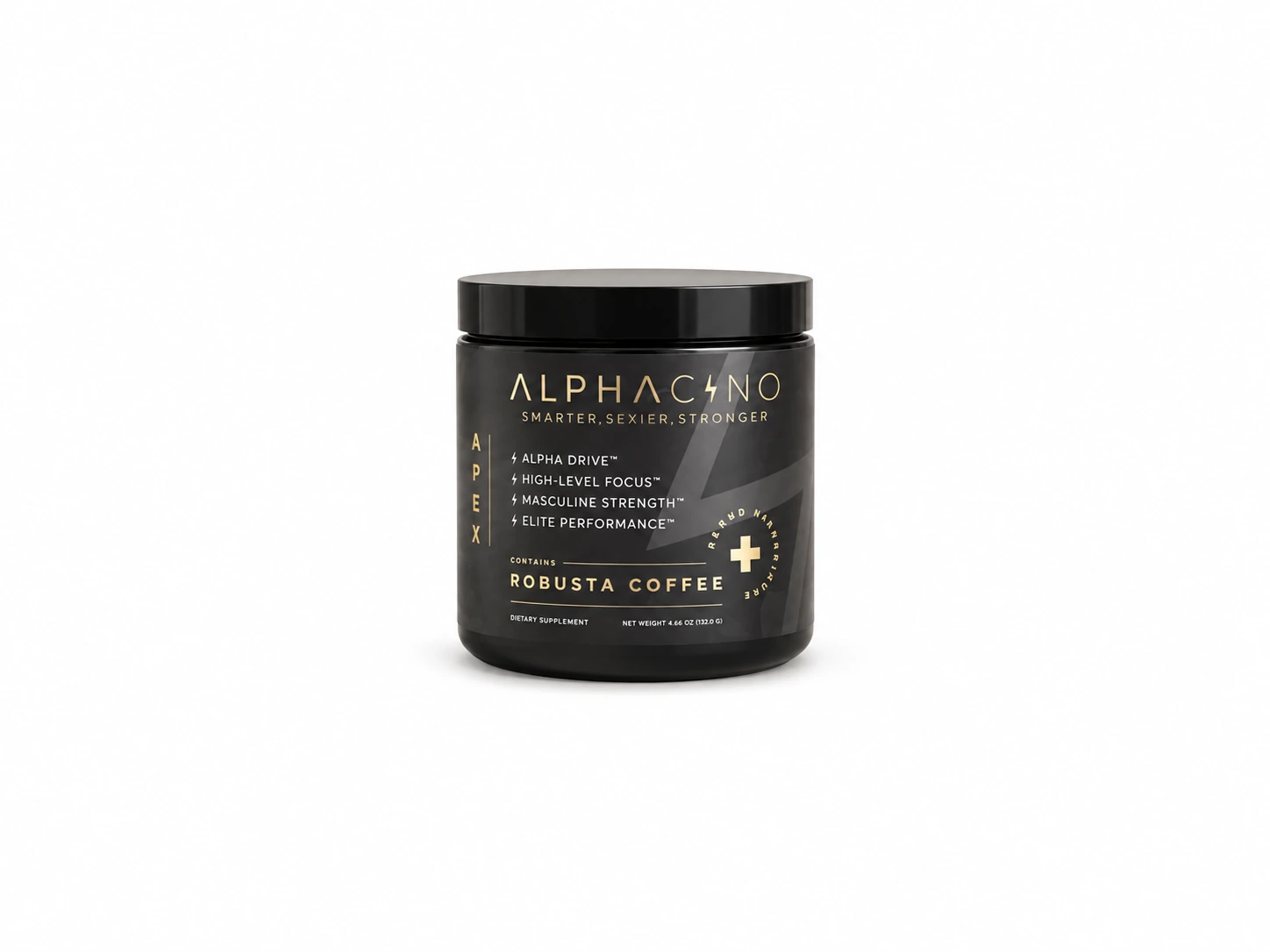
The manufacturer’s product page currently describes a Robusta-based drink with caffeine, lion’s mane, ashwagandha, maca, L-theanine, a plant blend and vitamin D. Its listed amounts include 100 mg caffeine and 100 mg L-theanine per serving. Formulas and online listings can change, so compare the Supplement Facts panel on the actual container before use.
One discrepancy deserves attention: BenFit’s product description lists 300 mg ashwagandha, while the manufacturer page checked for this guide lists 600 mg. Do not combine the two descriptions into a dosing plan. Confirm the exact version with the seller, especially if you also take a standalone ashwagandha supplement.
An ingredient list is useful for screening. It does not tell you that the combination has been shown to improve your workout, or that each amount is appropriate for you. More ingredients also mean more opportunities for overlap with other products.
Caffeine: count the whole day
The FDA’s caffeine guidance notes that 400 mg per day is generally not associated with adverse effects for most adults, but sensitivity varies. This is not a target to reach. Sleep disruption, palpitations, anxiety or stomach symptoms can occur at lower intakes. Medication use and individual health conditions change the decision.
Consider a hypothetical morning: one serving of this coffee, a separate café drink at work, and a pre-workout later. Without adding the amounts together, you may think you have had only a moderate amount. Record each serving and its stated caffeine content instead of counting cups. Cup sizes and coffee strengths differ.
For an evening session, a stimulant-free routine may fit better. A drink that helps you feel alert during training is a poor trade if it leaves you unable to settle at bedtime. Do not use how energized you feel as permission to add more weight than your program calls for.
What about the mushroom and adaptogen claims?
Research on an individual extract does not automatically validate a multi-ingredient coffee. Differences in extract type, dose, study population and outcome matter. A study measuring a questionnaire score is not proof of improved squat strength or a treatment for persistent fatigue.
Ashwagandha also needs a separate safety assessment. NCCIH advises avoiding it during pregnancy and breastfeeding and describes potential thyroid effects, medication interactions and rare liver injury reports. If this ingredient is unsuitable for you, a coffee format does not remove that concern.
Avoid choosing this product to correct testosterone levels, treat anxiety or address unexplained exhaustion. Those concerns call for an appropriate clinician. For general fitness, start with the basics discussed in BenFit’s guide to strength training, protein and sleep after 40.
A practical morning workout routine
Use the following sequence as a planning example rather than a requirement to drink coffee. The goal is to arrive at training prepared, with decisions already made.
- The evening before: choose your workout time, lay out clothing and write down the first exercise. Decide whether you will eat before or after the session based on your normal tolerance and schedule.
- After waking: check how you feel. A poor night’s sleep may call for a lighter session, not another scoop of a caffeinated product.
- If you choose the coffee: follow the confirmed container directions. Use a normal cup for hot preparation; do not shake hot coffee in a sealed protein shaker.
- Before the work sets: rehearse your planned movements with an easy load. Focus on comfortable range of motion and controlled repetitions.
- After training: record the session, have your planned meal, and move on with your day. Do not judge the workout by how strongly you felt the drink.
For a beginner, the successful version of this routine might simply be completing a manageable session twice in a week. A more experienced lifter can use the same sequence before a planned strength workout. The beverage is optional in both cases.
What to track for two weeks
Keep a short note with four fields: drink and serving, time consumed, workout completed, and sleep that night. Add any unwanted symptoms. Do not simultaneously change your caffeine, workout volume and bedtime, because it becomes difficult to identify what helped or caused problems.
A useful result is a routine you can repeat comfortably. A bigger caffeine buzz is not a progress metric. If you become more consistent but your sleep worsens, adjust the drink choice or timing rather than treating the trade-off as unavoidable.
The BenFit exercise library can help you review movements before training. If selecting exercises is the main obstacle, choosing a drink will not solve it; a written program will.
Who may prefer a simpler alternative?
Plain coffee may be easier to evaluate if you want caffeine without a botanical blend. Decaffeinated coffee or a caffeine-free drink may suit someone who enjoys the ritual but dislikes stimulation. None of these choices needs to become a statement about being more serious about fitness.
Before buying Alphacino, check serving count, total cost, the exact label version and whether you would actually use it. Avoid paying for a long list of claims when your main requirement is simply a warm drink you enjoy. Skip unverified discount promises and check current checkout terms directly.
Frequently asked questions
Is Alphacino a pre-workout supplement?
It is a functional coffee that contains caffeine. You can discuss its fit with your training routine, but it should not be assumed to match the ingredients or performance evidence of another pre-workout product.
Can I combine it with ashwagandha capsules?
Do not automatically stack them. First confirm the coffee’s label, then ask a pharmacist or clinician to review the total intake and any relevant medications. The online dose discrepancy makes this especially important.
Will it burn belly fat or increase testosterone?
Do not buy it for either promise. A coffee cannot replace an appropriate nutrition plan, progressive exercise or assessment of a suspected hormone problem.
Can I take it on rest days?
A coffee routine does not have to follow your training calendar. Whether this blend is suitable depends on its ingredients, your tolerance and the container directions, not whether you exercised that day.
Build the routine before buying the supplement
Compare BenFit coaching programs if you want a structured plan for home or gym training. For questions about choosing a suitable training approach, contact BenFit. Choose the coffee only after the routine, budget and ingredient checks make sense.
Ready for a structured program? Start the BenFit Plus online coaching program, or compare all online and one-on-one options. Learn about the coach and BenFit approach before choosing.
Related BenFit guides
- Sports Research Ashwagandha: Label Differences, Sleep Evidence and Safety
- BlenderBottle Sport Sleek 25 oz: A Practical Protein Shaker Guide
Sources and product information
Sources and live product listings checked September 11, 2026. Manufacturer pages identify products and label details; research sources support ingredient-level discussion. Neither implies independent testing of the listed retail product.
Scope: General educational information for adults, not individualized medical, nutrition or rehabilitation advice. Training examples require adjustment to your ability, equipment and health circumstances.