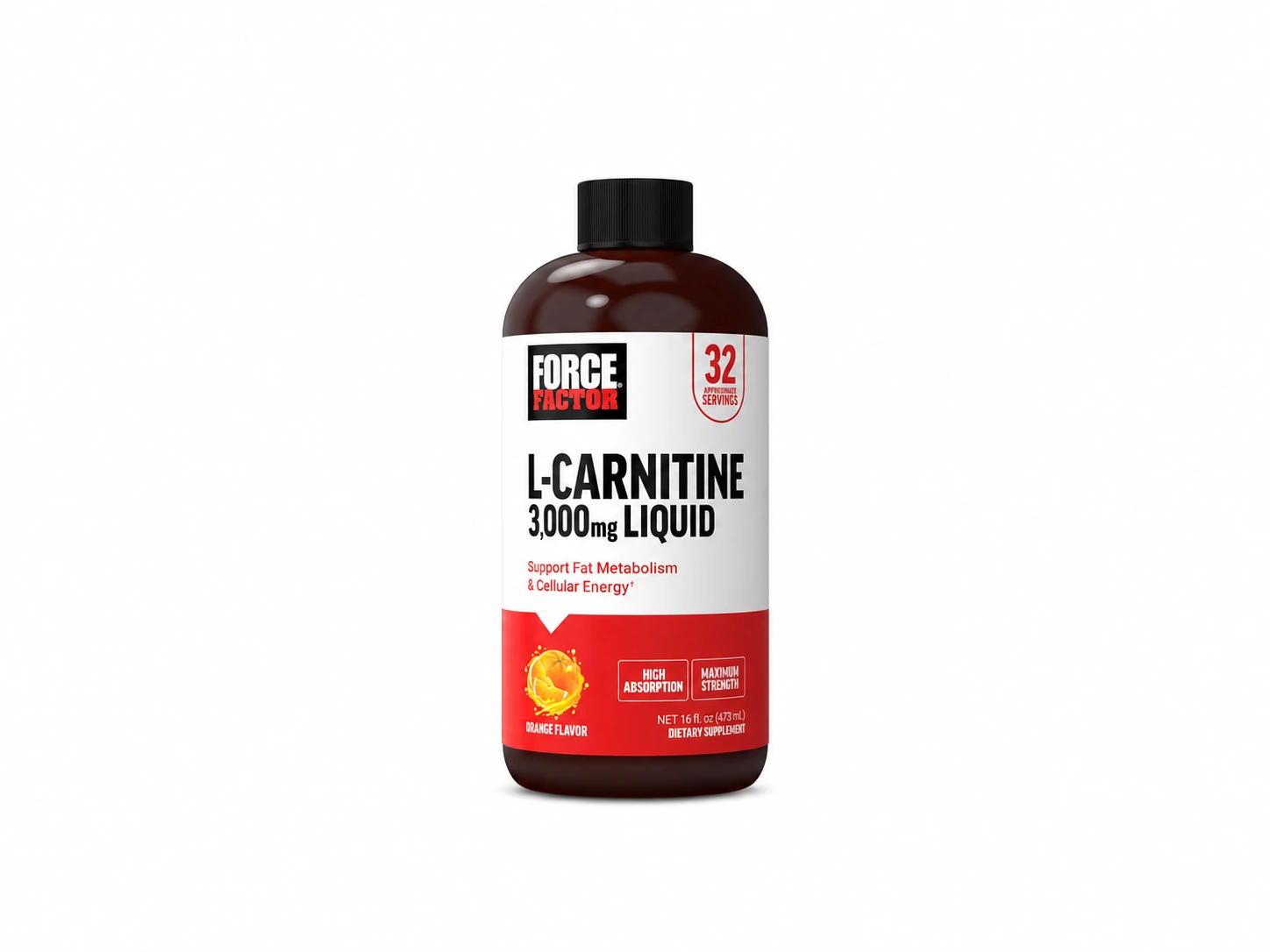
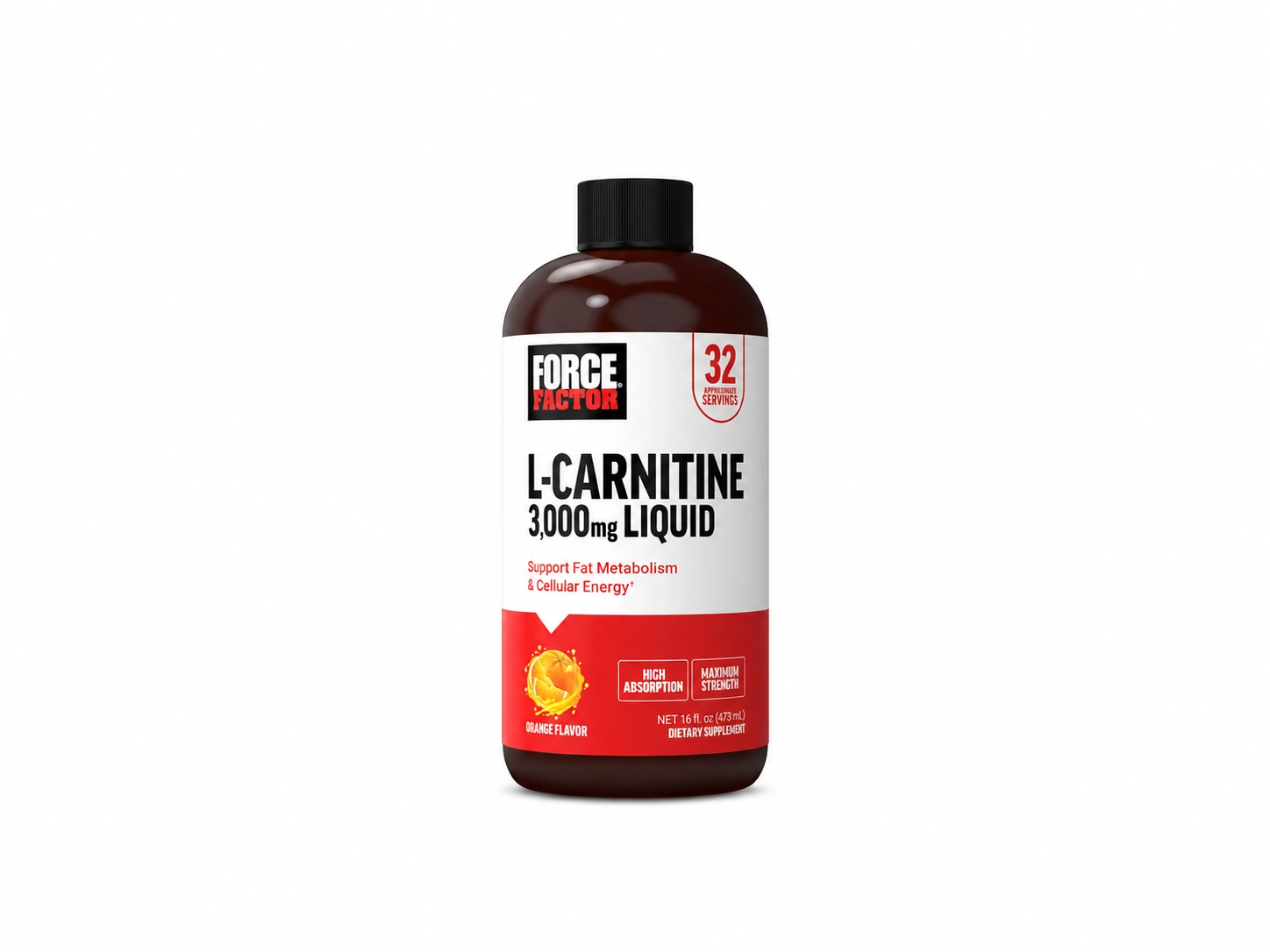
Force Factor L-Carnitine Liquid 3000 mg is often considered by people who want to lose body fat. Before buying, separate three things: carnitine’s role in the body, research on supplementation, and the results promised by an individual product listing. Those are related questions, but they are not the same claim.
The Force Factor L-Carnitine product on BenFit is a liquid supplement. It should not be treated as a guaranteed fat burner or as permission to ignore meals, movement and recovery. This guide focuses on where it may fit in a decision process and where expectations should be kept modest.
At a glance
| Question | Practical answer |
|---|---|
| Listed ingredient | L-carnitine |
| Manufacturer serving | 3,000 mg per tablespoon; confirm your bottle |
| Purpose of this guide | Evaluate fat-loss claims realistically |
| Important limit | No promise of targeted fat loss or a specific weight change |
What the ingredient does—and what that does not prove
Carnitine participates in transporting fatty acids for energy metabolism. That biological role does not establish that taking extra carnitine causes meaningful fat loss in an otherwise healthy person. A mechanism is a starting point for research, not a personal outcome guarantee.
The NIH carnitine fact sheet describes mixed findings for several proposed uses and notes adverse effects such as gastrointestinal symptoms and fishy body odor around higher supplemental intakes. A product containing 3,000 mg is not automatically more effective because the amount looks large on the front label.
If you are buying primarily because the label mentions fat metabolism, ask a more specific question: what outcome was measured, in whom, for how long, and with which preparation? The answer may be much narrower than the advertisement suggests.
What does weight-loss research show?
A meta-analysis of 37 randomized trials reported modest average changes in some body-weight outcomes, with important variation between studies. It did not establish that this Force Factor bottle produces the same result for every buyer, nor that a person can target abdominal fat with it.
Small average effects should not be turned into a deadline or a promised number of pounds. People in studies differ in health status, diet, dose and duration. Your progress also depends on what else changes during the same period.
For a purchasing decision, the key implication is restraint: consider the product optional. If the budget is limited, food planning and a training routine are usually more actionable problems to solve first.
How to read this liquid product’s directions
The manufacturer’s page lists one tablespoon daily and a 3,000 mg serving. Check the bottle you receive for the exact serving volume and current directions. This is a description of the label, not an instruction for every reader to begin that dose.
Use a calibrated measuring device. Do not drink from the bottle or pour a rough amount into a shaker. Also check other ingredients, especially if you avoid a particular sweetener or have a known sensitivity.
The manufacturer’s preferred timing should not be confused with proof that fasted use causes extra fat loss. If the label directions do not fit your tolerance or health circumstances, get advice or choose not to use the product. Do not force a routine that makes you feel unwell.
A four-week framework that does not depend on the supplement
Start with a plan you could follow even if the bottle never arrived. The following framework is an example for organizing behavior, not a personalized calorie prescription.
Week one: observe. Record your usual meals, walking opportunities and planned workouts. Notice which meal is most often improvised. Choose one simple replacement that you can shop for and prepare.
Week two: repeat. Keep the same meal solution and schedule two manageable strength sessions. Select exercises appropriate to your ability and equipment. Leave time between sessions and avoid making every set a maximum effort.
Week three: reduce friction. Prepare tomorrow’s food or gym bag before the busy part of the day. Add a comfortable walk to an existing cue, such as a lunch break, instead of setting an unrealistic step target that you repeatedly miss.
Week four: review. Compare adherence and the trend in your chosen measurements. If the plan was rarely completed, fix the schedule before assuming that you need a stronger supplement.
A fat-loss plan may involve an energy deficit, but the appropriate size depends on the person. Avoid aggressive restriction, especially if it worsens training, mood or your relationship with food. Get individualized help when needed.
Choose measurements that answer the right question
If weighing yourself is appropriate for you, use consistent conditions and look at a trend rather than an isolated day. You can also track clothing fit, a consistent waist measurement, workout completion and strength maintenance. None of these should become a reason to punish yourself with extra exercise.
Do not introduce a new supplement, a severe diet and a completely different workout program on the same day and then credit the bottle for every change. Keep a record of what actually changed. This is basic decision quality, not a home clinical trial.
The BenFit coaching page is a useful starting point if you want help coordinating these elements. For exercise selection, use the movement library as a reference rather than choosing workouts based on the largest calorie-burn claim.
When the product is a poor fit
It is a poor fit if you expect it to compensate for unrestricted eating, fix a weight plateau in a few days, or remove fat from one specific area. It is also a poor fit if the purchase leaves too little budget for the routine you actually need.
Get a clinician or pharmacist’s advice before use if you have a seizure history, kidney disease, thyroid disease, take anticoagulants or thyroid medication, are pregnant or breastfeeding, or have another relevant medical issue. Medication review should happen before adding a product, not after a side effect appears.
Do not stack it with NOW L-Carnitine Liquid simply because the brands differ. Both may contribute the same active ingredient. A second bottle is not a second pathway to faster fat loss.
Frequently asked questions
Does Force Factor L-Carnitine burn belly fat?
There is no basis to promise targeted belly-fat loss from this product. Evaluate overall habits and realistic body-composition trends instead.
Is taking it on an empty stomach essential?
That is part of the manufacturer’s suggested use, but it does not prove a superior fat-loss result. Follow the current label and seek advice if it causes discomfort or conflicts with your circumstances.
Should I take more if my weight stops changing?
No. A plateau is not a reason to increase a supplement dose. Review the measurement trend, food routine, activity and recovery with an appropriate professional.
Is liquid carnitine better than capsules?
The format alone does not establish better results. Compare the actual ingredient amount, directions, tolerability and cost.
Make the plan measurable
Review the Force Factor listing if the product still fits your priorities, but make the daily routine the main project. Contact BenFit for training support that can be adjusted to your starting point and schedule.
Ready for a structured program? Start the BenFit Plus online coaching program, or compare all online and one-on-one options. Learn about the coach and BenFit approach before choosing.
Related BenFit guides
- NOW L-Carnitine Liquid 3000 mg: Serving Size, Two-Pack Value and Safety
- Gold Standard Whey 5 lb: Cost per Serving, Storage and Meal Planning
Sources and product information
Sources and live product listings checked September 11, 2026. Manufacturer pages identify products and label details; research sources support ingredient-level discussion. Neither implies independent testing of the listed retail product.
Scope: General educational information for adults, not individualized medical, nutrition or rehabilitation advice. Training examples require adjustment to your ability, equipment and health circumstances.