Optimum Nutrition casein can be a convenient way to fill a protein gap in the evening. It is not a requirement for overnight recovery, and you do not lose a day of training because you skip a bedtime shake. The useful question is whether the product fits your overall food intake and is comfortable to consume at that time.
The vanilla Gold Standard Casein listing on BenFit is one option to compare with ordinary food or another protein powder. This guide explains the evidence behind bedtime protein, how to plan a portion, and when a different approach may be simpler. It does not claim a hands-on taste test or guaranteed sleep benefits.
At a glance
| Question | Practical answer |
|---|---|
| Format | Vanilla milk-derived casein protein powder |
| Listed protein | 24 g per serving; verify your label |
| Possible occasion | An evening protein gap |
| Important limit | Not a sleep treatment or mandatory bedtime ritual |
What makes casein different?
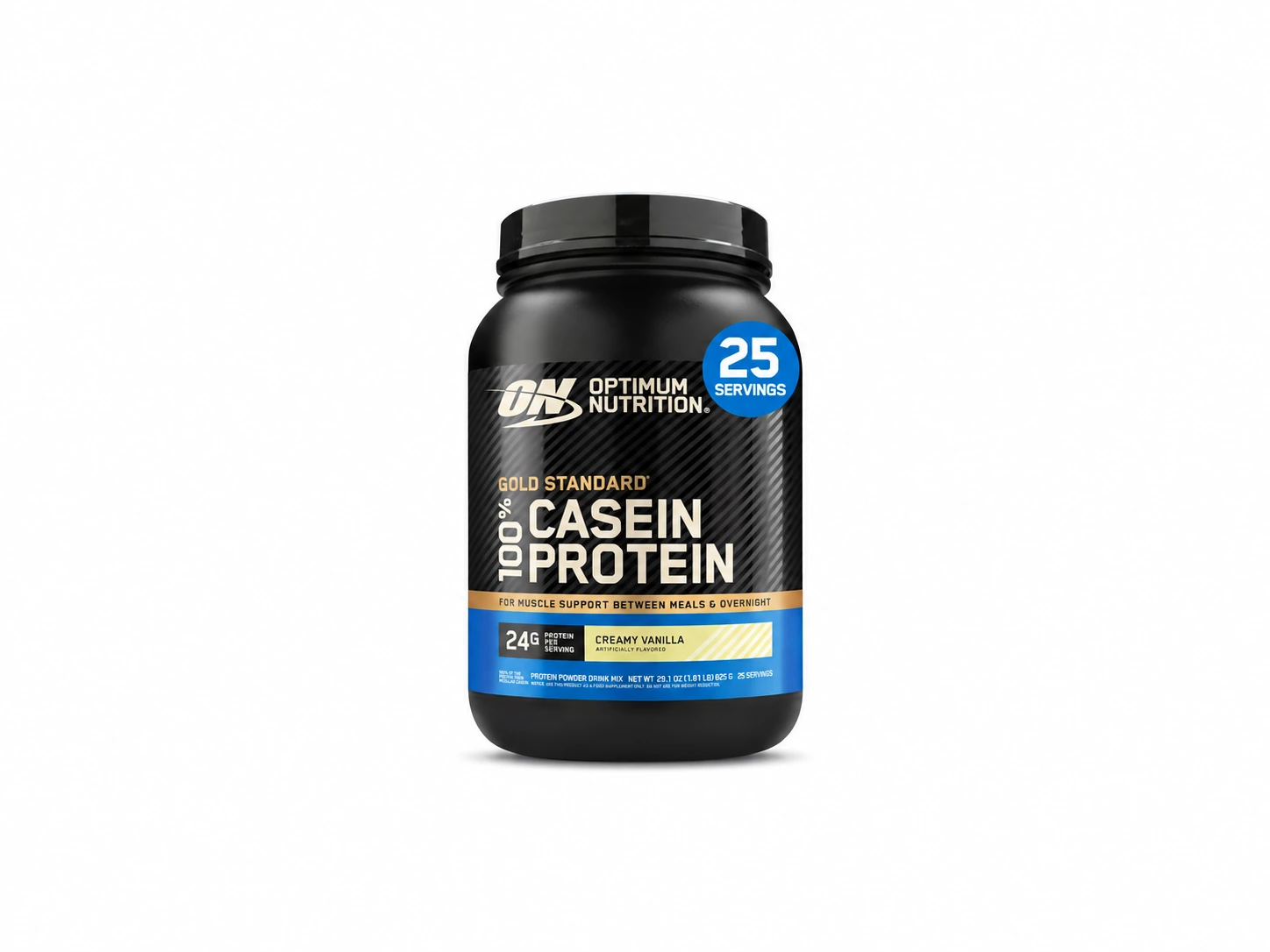
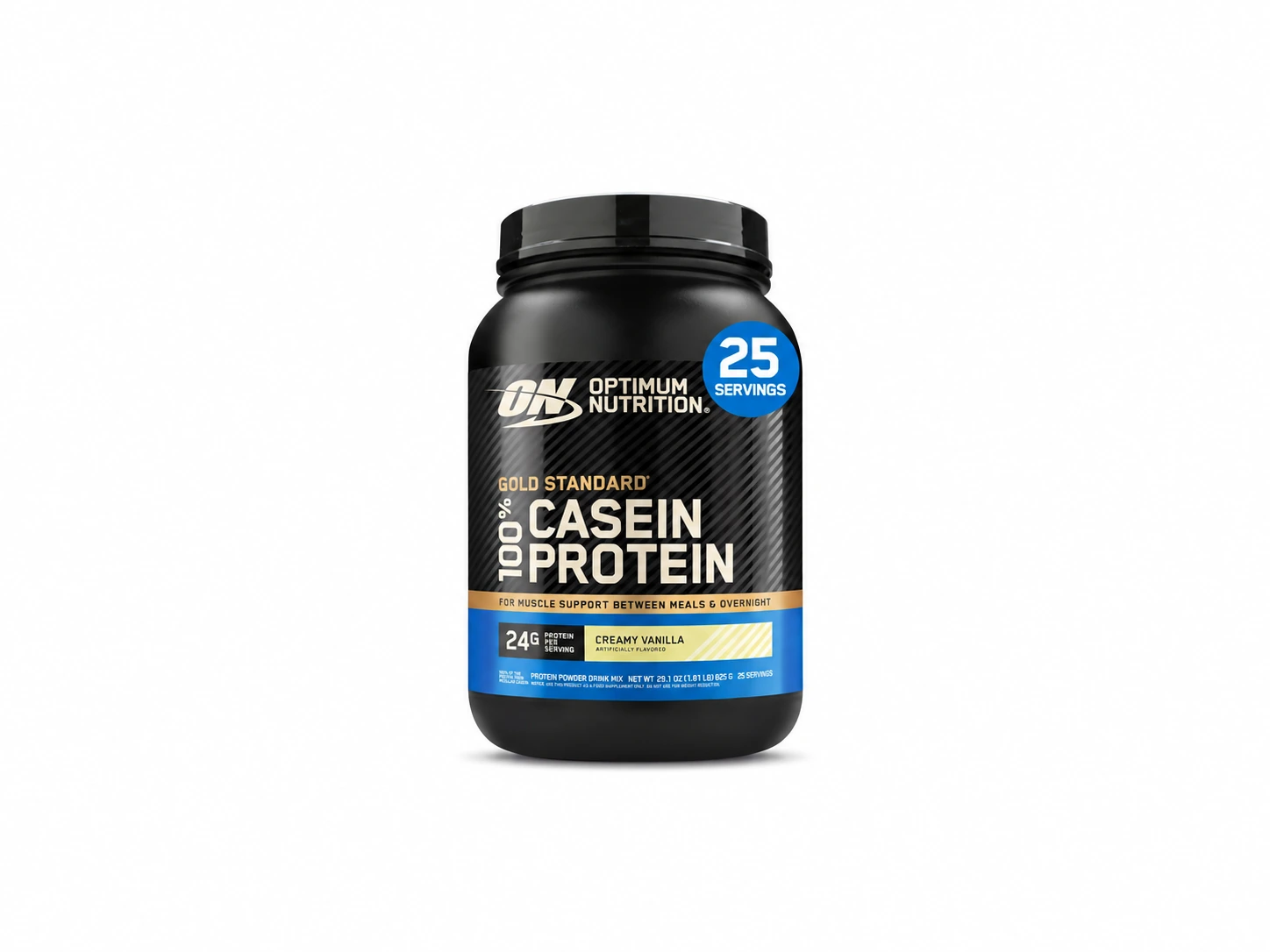
Casein is a milk protein with different digestion characteristics from whey. The manufacturer’s Gold Standard Casein page describes a micellar casein product with 24 g protein per serving. Verify your flavor and regional label because serving details can change.
That protein amount is not the same as the weight of a scoop. A scoop also includes the other ingredients in the formulation. Use the label’s serving information when estimating your daily intake.
The BenFit title describes a 2 lb product, while the pictured package shows a more specific net weight. Confirm the actual container size and serving count at purchase rather than using the rounded title for precise budgeting.
What bedtime-protein research actually tells us
A randomized study in healthy young men examined protein before sleep during a resistance-training program and reported greater gains with the supplemented approach. It does not show that everyone needs this exact retail casein product or that bedtime timing is superior in every situation with matched daily protein.
The practical distinction matters. Evidence that additional protein can help in a study is not a rule that all protein must be consumed at night. Nor does it make casein a sleep medicine. A person already meeting their needs through meals may not need another serving.
Use the research to ask whether you have a real nutrition gap. Do not use it to create anxiety about a narrow window before bed.
Decide whether there is a gap to fill
Review an ordinary day of eating. Have you had reliable protein sources at meals, or did the day end with two skipped meals and a rushed snack? Those situations call for different changes.
If your daytime routine is consistently poor, improve the meal structure first. A bedtime shake may be convenient, but it should not become a permanent substitute for planning lunch. If the day is generally organized and a small gap remains, a measured serving may be an option.
For example, suppose an individualized plan calls for 120 g of protein and your meals provide about 100 g. You would look for a way to cover roughly 20 g, not automatically add the largest shake you can make. These numbers are an illustration of gap-based planning, not a universal target.
Three ways to organize the evening
Dinner already covers your needs: skip the extra shake if it serves no purpose. Keep the evening simple and prepare for the next day.
Dinner is early and you prefer a later snack: compare a measured casein drink with foods you tolerate, such as an appropriate yogurt or another protein-containing snack. Consider the whole day’s energy intake and personal preferences.
Training ends late: have a preplanned meal or snack instead of improvising a large mixture immediately before bed. The right option is one you can digest comfortably and fit into your schedule.
The Gold Standard Whey option is another format to compare. Choose based on the actual meal gap, tolerance and recipe rather than assuming that one category wins at every time of day.
Mixing casein without making an oversized shake
Follow the liquid guidance on the container, then adjust gradually for your preferred texture. Casein mixtures can be thicker than a typical whey drink. Adding extra powder to fix a thin texture also changes protein and energy intake, so change the liquid first.
For a basic preparation, measure the powder and use cold or room-temperature liquid. If you add fruit, nut butter or other ingredients, count those as part of the snack. A protein label on the tub does not make every recipe equally suitable for your goal.
A protein shaker can be useful for a simple drink, while a bowl and spoon may be more practical for a thick preparation. Do not use a sealed shaker for hot liquids. Prepare only the amount you intend to use and follow storage requirements for any perishable ingredients.
Pair nutrition with a sensible evening recovery routine
Try a short sequence: finish the planned session, record what you did, eat the meal or snack you selected, and prepare tomorrow’s essentials. This creates a clear end to the workout rather than extending it into an hour of supplement decisions.
Keep the session itself realistic. If late training repeatedly leaves you rushing meals and bedtime, consider moving the hardest session or shortening the exercise list. A different protein powder cannot fix an overloaded calendar.
BenFit’s guide to strength training, protein and sleep after 40 connects these habits. For help making them workable, compare coaching programs.
Allergies, digestion and medical considerations
Casein is not appropriate for someone with a milk-protein allergy. Lactose intolerance is a different issue; check the actual formulation and do not assume a casein powder is lactose-free. If milk products repeatedly cause symptoms, seek appropriate advice rather than treating every reaction as normal.
People with kidney disease or a prescribed protein restriction should follow their clinician’s nutrition guidance. Pregnancy, breastfeeding and significant medical conditions also warrant an individual review before adding supplements. If an evening drink aggravates reflux or discomfort, reconsider timing, portion and product choice with appropriate help.
Do not force a bedtime shake simply because a fitness article suggests it. The plan should fit your body and circumstances, not the other way around.
How to decide whether to reorder
After using an appropriate product, evaluate practical questions: did it fill a documented gap, was it comfortable, and did you use it consistently? Did it simplify your evening, or did it become another task you disliked?
Do not attribute all strength changes to the powder. Training, total food intake and consistency may have changed at the same time. A sensible reorder decision can be based on convenience and cost without inventing a dramatic product effect.
Frequently asked questions
Must casein be taken before bed?
No. It can be used when it fits your food plan. Bedtime is one possible occasion, not a universal requirement.
Does casein improve sleep?
Do not treat it as a sleep treatment. Its primary role here is dietary protein. Persistent sleep problems deserve an appropriate assessment.
Is casein better than whey for muscle growth?
There is no universal winner independent of your overall diet and training. Compare what you need, what you tolerate and how the product fits your routine.
Can I use casein while losing fat?
Potentially, if it fits the overall plan. It still contributes energy, and adding a shake without considering the rest of the day is not automatically helpful.
Make the evening easier
Review the casein product page for the current item and use BenFit coaching to build a routine where meals and training work together. A useful supplement should simplify a clear plan, not make recovery feel more complicated.
Ready for a structured program? Start the BenFit Plus online coaching program, or compare all online and one-on-one options. Learn about the coach and BenFit approach before choosing.
Related BenFit guides
- Gold Standard Isolate Chocolate Bliss: Whey Isolate, Digestion and Value
- Gold Standard Whey 2 lb: A Beginner’s Guide to Protein Powder
Sources and product information
Sources and live product listings checked September 11, 2026. Manufacturer pages identify products and label details; research sources support ingredient-level discussion. Neither implies independent testing of the listed retail product.
Scope: General educational information for adults, not individualized medical, nutrition or rehabilitation advice. Training examples require adjustment to your ability, equipment and health circumstances.