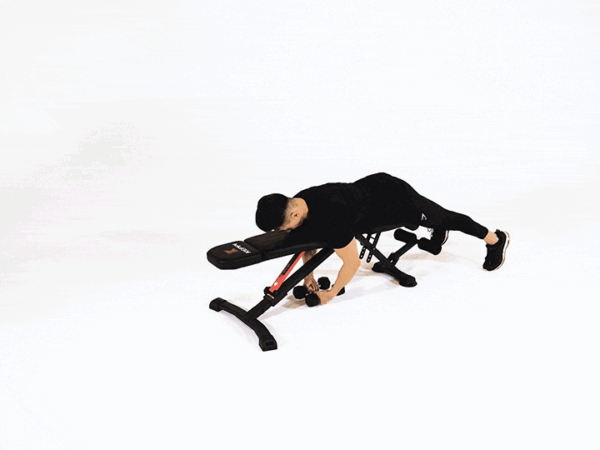
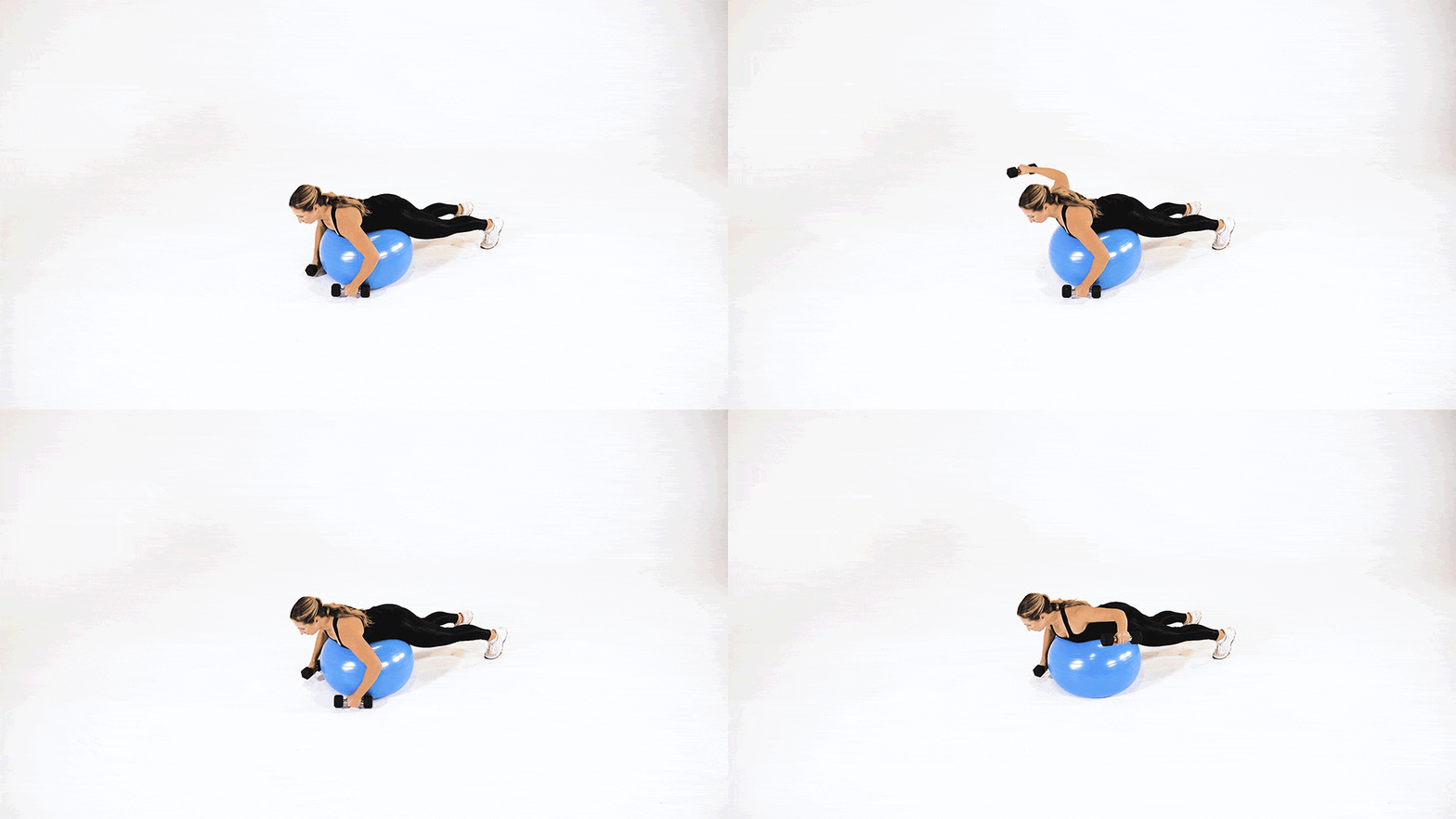
The “Alternating Dumbbell Reverse Fly on Stability Ball” is a complex and advanced exercise primarily aimed at strengthening the posterior deltoid muscles (rear shoulders). This exercise is performed alternately for each arm using dumbbells while in a balanced position. It is particularly suitable for those looking to strengthen the muscles of the upper back and shoulders. In addition to the shoulders, the reverse fly movement also helps strengthen the back and abdominal muscles.
In this exercise, the individual must maintain a balanced position, which challenges the core muscles and helps improve balance. By using dumbbells in each hand and performing the reverse fly movement individually, more pressure and stress are placed on the shoulder muscles, consequently stimulating more growth in the target muscles. Besides strengthening the shoulder and back muscles, this movement also helps improve balance and body control.
Target Muscle

The primary muscle targeted in the “Alternating Dumbbell Reverse Fly on Stability Ball” is the posterior deltoid. These rear shoulder muscles play a vital role in arm and shoulder movements, and strengthening them helps improve shoulder stability and strength. The reverse fly movement specifically targets these muscles, enhancing shoulder strength and balance.
In addition to the posterior deltoids, this exercise significantly impacts the muscles of the back and upper back. The trapezius and rotator cuff muscles are also engaged. Since the movement is performed with separate dumbbells for each hand, the back and abdominal muscles are indirectly activated to maintain balance. Therefore, this exercise contributes to strengthening various parts of the body, not just the shoulders.
Secondary Muscles Engaged
Alongside the target muscles, this exercise engages other muscles. The back muscles, particularly the trapezius and rotator cuff, are essential for stabilizing the shoulders and supporting the reverse fly movement. These muscles are activated, especially when the dumbbells are lifted alternately, to maintain body balance. The abdominal muscles are also actively involved due to the need to maintain balance during the movement.
Additionally, the calf muscles and iliopsoas muscles are indirectly involved in stability and maintaining posture. Especially if you perform the movement in a balanced position, these muscles must be activated simultaneously to prevent you from losing balance.
How to Perform the Exercise
To perform the “Alternating Dumbbell Reverse Fly on Stability Ball,” first, hold a suitable dumbbell in your left or right hand. Then, standing or with one foot back, hinge forward at the hips until your torso is at an angle of about 45 degrees to the ground. Ensure your back and spine remain in a straight line to avoid excessive strain on your lower back.
In the next step, extend one arm out to the side, fully engaging the posterior deltoid muscles. Simultaneously, alternately raise the other arm in the same manner. Perform the movement in a controlled way without jerking your body, and keep your focus on the rear shoulder muscles during the movement. After completing the movement with one arm, raise the other arm in the same way.
Equipment Needed
- Dumbbells of appropriate weight for the exercise (lighter weights to start)
- Sufficient space for free movement of the dumbbells and maintaining balance
- Appropriate athletic shoes to prevent slipping
- Comfortable sportswear suitable for performing the exercise in a balanced position
Yes, beginners can perform this exercise using light dumbbells and focusing on proper technique. It is recommended to first complete basic exercises and then progress to this more advanced movement.
Typically, 3 sets of 12-15 repetitions for each arm are suitable, but you can adjust the number according to your fitness level.
Yes, performing the exercise in a balanced position strengthens the core muscles and improves balance.
If performed with correct technique and appropriate weight, this exercise will not put excessive pressure on the lower back. It is important to maintain the correct posture of your back.
How to perform
-
Step 1
Begin by sitting on a stability ball, with your feet together, chest close to your knees, and arms hanging in front of you, holding a dumbbell in each hand.
-
Step 2
While keeping your back straight, lift one of the weights up to shoulder level, keeping your arm slightly bent, and hold this position for a moment while the other arm remains in front.
-
Step 3
Return to the starting position and repeat the exercise with the opposite arm.
-
Step 4
Continue this movement for the desired number of repetitions and sets.