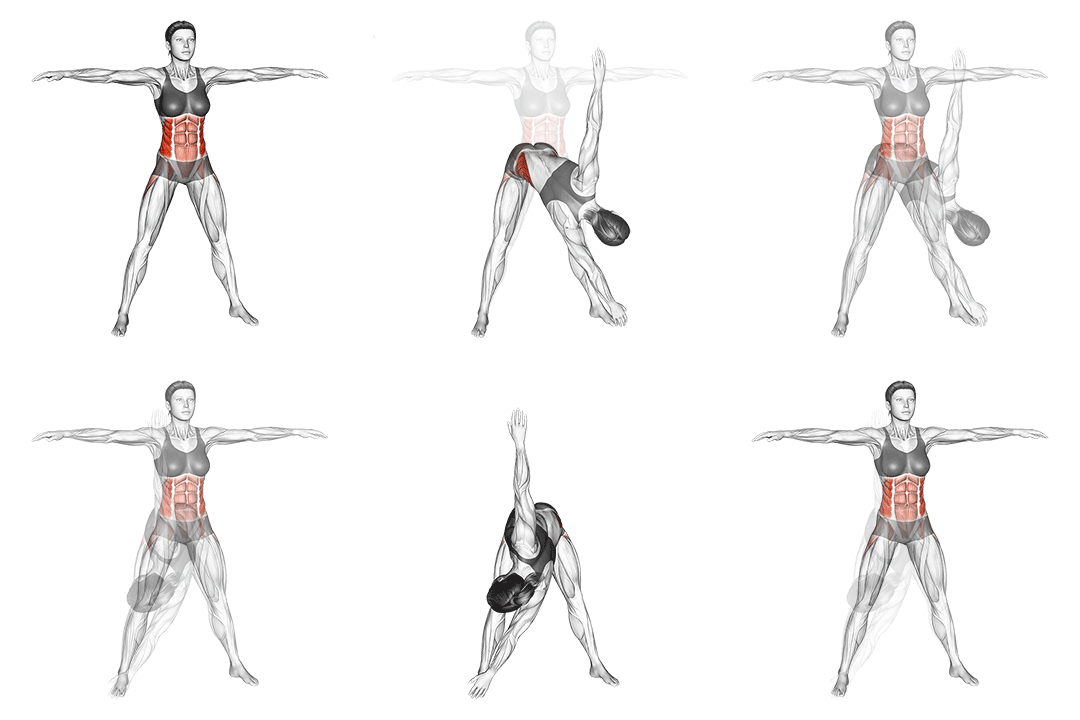
Pilates is a physical training method developed by Joseph Pilates in the early 20th century. This exercise focuses on strengthening the core muscles, improving flexibility, balance, and coordination. It involves gentle, controlled exercises performed using body weight, specific equipment, and breathing techniques. This training method is particularly beneficial for individuals seeking to improve posture, prevent injuries, and enhance quality of life. This exercise is built upon principles such as concentration, control, centering, precision, and flow. These principles help ensure that the exercises are performed harmoniously and effectively. It can be used as a complete body workout or as a supplement to other physical activities. This training method is suitable for all fitness levels and can be particularly effective for improving posture and strengthening weak muscles.
Target Muscles in Pilates
The primary target muscles in Pilates exercises are the core muscles. These muscles include the abdominal muscles, back muscles, muscles surrounding the spine, and pelvic muscles. Strengthening these muscles helps improve balance and body stability and can prevent problems like back pain. By focusing on strengthening the core muscles, this exercise helps provide a strong and stable foundation for daily movements and activities. These muscles are engaged in many Pilates movements and exercises, and their strengthening can have positive effects on overall body posture and physical performance.
Secondary Muscles Involved in Pilates
In addition to the core muscles, Pilates also engages other secondary muscles. These include upper body muscles such as the chest, shoulders, and arms, as well as lower body muscles like the thighs, hamstrings, and calves. The exercises in this discipline are designed so that all these muscles work in a coordinated and balanced manner. The secondary muscles involved in this exercise help improve flexibility, balance, and overall body strength. Its diverse exercises ensure that muscles are strengthened symmetrically, preventing muscular imbalances. This can help prevent injuries and improve athletic performance.
How to Perform Pilates Exercises
To perform these exercises, you should first adopt a proper posture and consider basic principles like correct breathing and movement control. Many Pilates exercises are performed on a mat. For example, the “Hundred” exercise is a fundamental one, performed by lying on your back and lifting your legs and arms. In this exercise, each movement should be performed with precision and control. Correct breathing, synchronized with movements, is also of great importance. For instance, in the “Roll Up” exercise, you should slowly move from a lying to a seated position, gradually articulating each vertebra off the floor. These exercises can be performed using various equipment such as a Pilates ball, Pilates ring, and reformer.
Equipment Needed
This exercise does not require specific equipment, and many of its exercises can be performed using only body weight. However, some equipment like a Pilates mat is recommended for greater comfort and support. These mats should have a suitable, non-slip surface to ensure safety and comfort during workouts. In addition to mats, other equipment such as Pilates balls, Pilates rings, and reformers can also be used in Pilates training. This equipment adds variety and challenge to the workouts and can help strengthen muscles and improve body flexibility. Using appropriate equipment can make the Pilates training experience more effective and enjoyable.
Yes, it can contribute to weight loss, especially when combined with a healthy diet and other physical activities. Pilates exercises help strengthen muscles and boost metabolism.
To see optimal results, it is recommended to do it at least 3 to 4 times a week. However, the number of sessions can vary depending on your goals and fitness level.
Yes, it is suitable for all fitness levels, from beginner to advanced. Pilates instructors can modify exercises to be accessible for beginners.
Yes, by strengthening the core muscles and increasing flexibility, it can help improve posture and reduce pain caused by poor alignment.
Yes, many Pilates exercises can be performed at home without special equipment. Using instructional videos and dedicated apps can help you perform the exercises correctly.
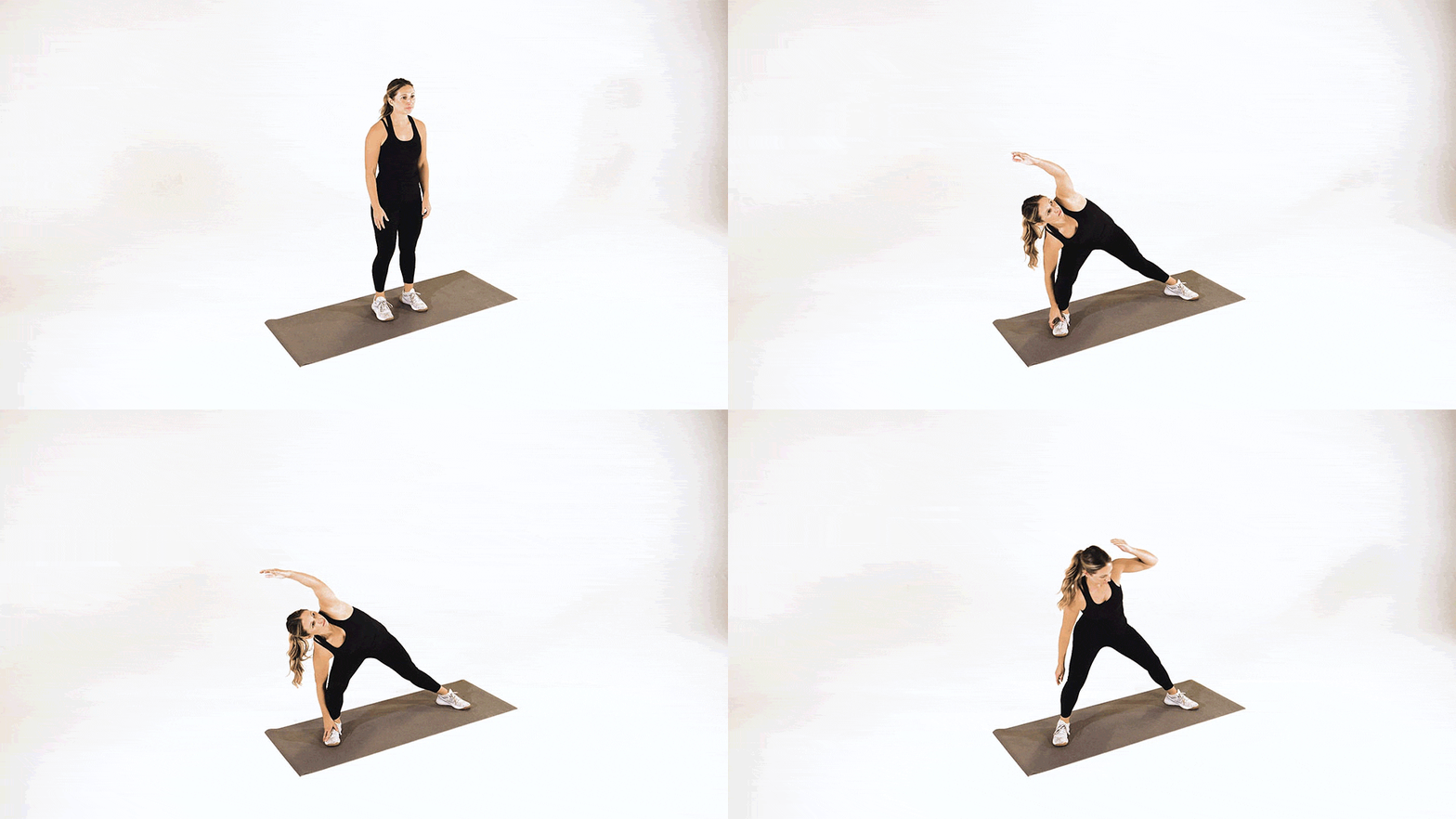
How to perform
-
Step 1
Pilates is an exercise that focuses on strengthening the core muscles, increasing flexibility, and coordination.