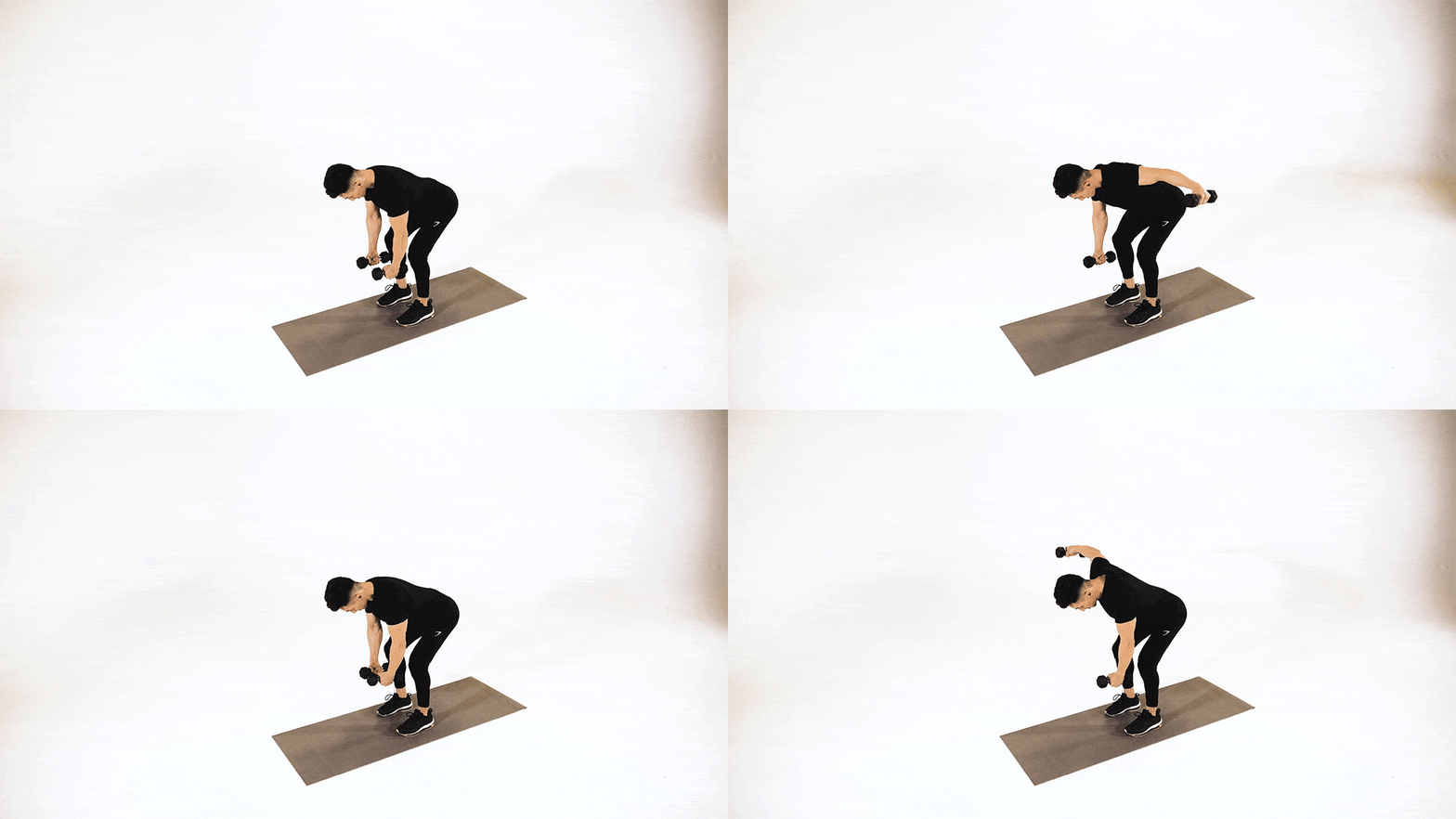
The bent-over alternating dumbbell reverse fly is an effective exercise for strengthening the shoulder and upper body muscles. This movement is designed to strengthen the posterior deltoids (rear shoulder muscles) and is particularly beneficial for those looking to enhance their back and upper body strength. It is similar to the regular bent-over reverse fly, with the difference being that the body is in a bent-over position, and the arms move alternately.
Performing this exercise specifically helps strengthen the shoulder muscles and contributes to improving the symmetry and stability of the back muscles. This exercise also enhances the shoulder muscles’ ability to withstand stress and perform similar athletic movements. Overall, this exercise is very useful for increasing strength and shaping the rear shoulder muscles and the upper back.
Target Muscle
The primary muscle targeted in this exercise is the posterior deltoid (rear shoulder). These muscles are located in the upper and rear part of the shoulder and are significantly strengthened in this workout. The posterior deltoid is specifically responsible for moving the arm outward and backward, and this movement helps increase the strength and size of these muscles.
In addition to the posterior deltoids, the upper back muscles are also engaged in this exercise. The trapezius and rhomboid muscles are indirectly involved, helping to maintain body balance and strengthen the back. In total, this exercise works extensively on the upper body muscles.
Secondary Muscles Engaged
Besides the primary target muscles, secondary muscles are also activated during this exercise. The forearm muscles, wrist muscles, and core muscles participate throughout the movement to maintain balance and body stability. These muscles must remain consistently engaged to prevent excessive body movement and keep the focus on the shoulder muscles.
The abdominal and lower back muscles are particularly engaged when the body is bent over and performing the alternating movement. These muscles are crucial for stabilizing the body and preventing potential injuries and should be under tension throughout the exercise.
How to Perform the Exercise
To perform the bent-over alternating dumbbell reverse fly, you should first sit in a bent-over position on a bench or flat surface. Hold two dumbbells in your hands, with your arms parallel to your body. Then, move each arm alternately outward and backward. It’s important to note that the movement should be controlled and slow to effectively stimulate the target muscles.
Throughout this exercise, you should fully focus on your rear shoulder muscles and avoid excessive body movement or using unnecessary force to perform the exercise. Each repetition should be completed slowly and deliberately to maximize the benefits of the workout.
Equipment Needed
To perform this exercise, you will need two dumbbells of appropriate weight. The dumbbells should be heavy enough to challenge your shoulder muscles but also chosen so that you can perform the movement correctly. Additionally, a bench or flat surface is necessary for bending over during the exercise.
Choosing suitable sportswear for comfort and freedom of movement is also very important. Furthermore, athletic shoes with adequate support are essential for maintaining body balance.
Yes, this exercise is suitable for beginners, but it is recommended to start with lighter dumbbells and gradually increase the weight.
For best results, performing 3 to 4 sets of 8 to 12 repetitions per set is recommended. This number can be adjusted based on your fitness level.
Yes, this exercise indirectly strengthens the lower back muscles as well, because the abdominal and lower back muscles need to be engaged to maintain balance during the movement.
Yes, this exercise specifically helps strengthen the posterior deltoid muscles, which contributes to increasing shoulder muscle mass.
How to perform
-
Step 1
Stand with your feet shoulder-width apart, holding dumbbells in each hand by your sides.
-
Step 2
Hinge at your hips, bending your torso forward until it's nearly parallel to the ground, with the dumbbells hanging in front of you at knee level.
-
Step 3
Slowly raise one dumbbell out to the side and slightly back, as if you're trying to reach your arm towards the ceiling, squeezing your shoulder muscles at the top.
-
Step 4
Hold this position for a second, then slowly lower the dumbbell back to the starting position and repeat with the opposite arm.
-
Step 5
Continue alternating arms for the desired number of repetitions and sets.