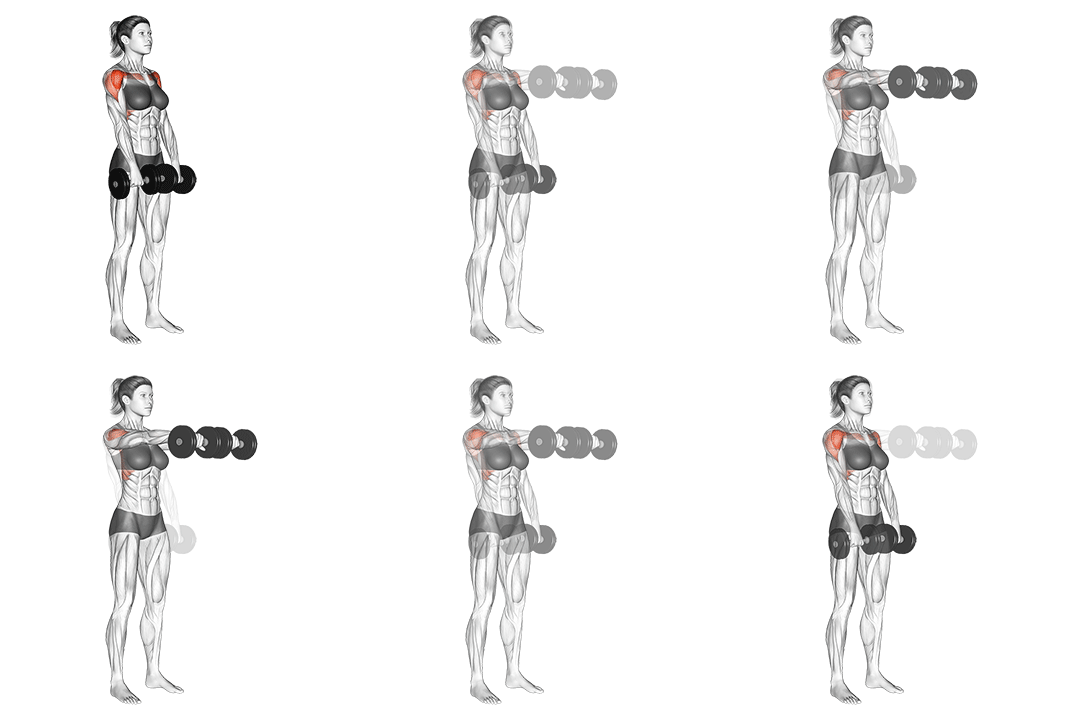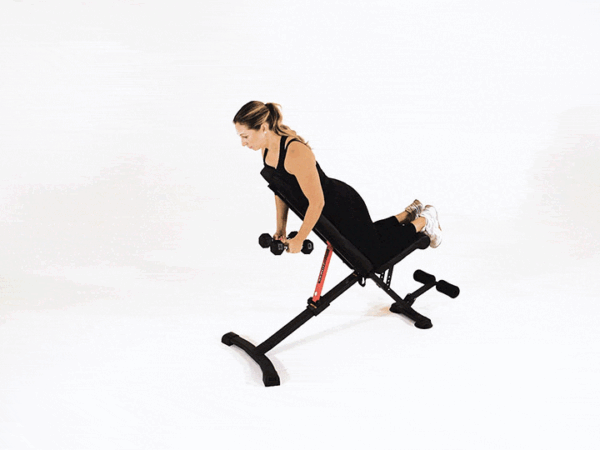
The “Barbell Overhead Front Raise (Seated)” is one of the effective exercises for strengthening the shoulder muscles, using a barbell to perform the movement. This exercise is specifically designed to strengthen the anterior deltoid muscles (front shoulder muscles) and helps improve endurance and strength in this area. In addition to strengthening the shoulder muscles, the barbell front raise also helps improve balance and body stability, as the individual must perform the movement while seated and maintaining correct form. This exercise is very beneficial for athletes looking to strengthen their upper body and shoulders. Those involved in strength training or bodybuilding also use this movement to increase shoulder size and strength. Overall, this movement is a compound exercise that can challenge various body muscles simultaneously and increase overall body strength.
Target Muscle
The primary target muscle for this exercise is the anterior deltoid, located at the front of the shoulder. This muscle is responsible for lifting the arm forward and plays a significant role in many daily and athletic activities. By performing the barbell front raise, this muscle is strengthened completely and effectively, contributing to more prominent shoulders. In addition to the anterior deltoid, the medial deltoids and the stabilizing muscles of the abdomen and lower back are indirectly engaged. These muscles are important for maintaining body balance and preventing slippage during the movement. Therefore, the barbell front raise activates not only the shoulder muscles but also the core muscles.
Secondary Muscles Engaged
In this exercise, besides the anterior deltoid, the medial deltoid muscles and forearm muscles are indirectly involved. The medial deltoids, responsible for the lateral movement of the arm, are activated at the end of the movement, especially when the arm is at its highest point. Forearm and wrist muscles also engage to hold the barbell and control the movement. Furthermore, the abdominal and lower back muscles are crucial for maintaining body stability and balance while seated. These core muscles keep the body steady and prevent unnecessary shifts. Thus, various body muscles are engaged simultaneously, making the movement a full-body exercise.
How to Perform the Exercise
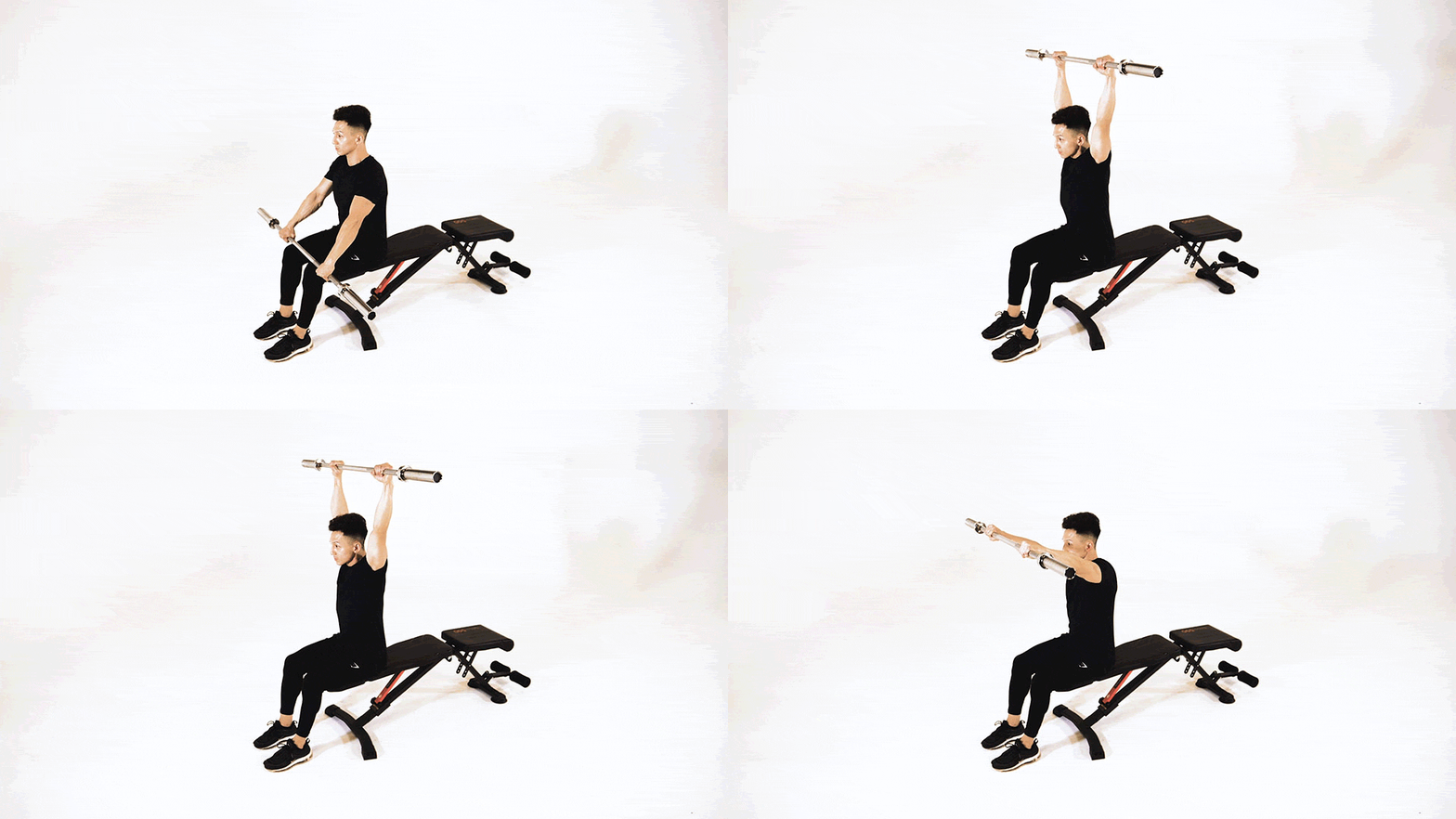
To perform the seated barbell front raise, first sit on a bench with a backrest and grip the barbell with your hands shoulder-width apart. Ensure your back and neck remain in a natural position throughout the movement. Lift the barbell from the floor or rack and hold it directly in front of your chest. Then, using your shoulder muscles, slowly move the barbell forward and overhead. Your arms should follow the correct path, and at the highest point, the barbell should be directly above your head. After a brief pause, slowly lower the barbell back to your chest and repeat the movement. It is important to avoid quick, jerky motions and focus on complete control of the barbell during this exercise.
Equipment Needed
To perform the seated barbell front raise, you will need a barbell with appropriate weight and a bench with a backrest. The bench should be capable of supporting your body in a seated position and keeping it stable. You can also use a weightlifting belt for back support, especially if you are using heavy weights, to ensure safety and comfort. If you are using heavier weights, ensure the barbell plates are properly secured to prevent any health risks. Suitable athletic shoes can also help improve your balance while performing the exercise.
Yes, this exercise can be suitable for beginners, but it is recommended to start with light weights first and then gradually increase the weight to gain more control over the movement.
This exercise can be performed 2 to 3 times a week. To strengthen the shoulder muscles, adequate recovery time and rest for the shoulder muscles should be observed.
This exercise primarily focuses on the anterior deltoid and helps strengthen the front of the shoulders. To strengthen the rear deltoids, other exercises such as lateral raises or reverse flyes should be performed.
If the correct form is not maintained and the weights are excessively heavy, there may be a risk of injury to the shoulders and back. Always start with appropriate weights and maintain your form.
How to perform
-
Step 1
First, sit upright at the end of a flat bench, place your feet flat on the floor in front of you, and hold a weighted barbell with an overhand grip (palms facing down) on your knees.
-
Step 2
While keeping your arms straight, slowly lift the barbell up and overhead, contracting your shoulders as you do so, and hold this position for a moment.
-
Step 3
Return to the starting position.
-
Step 4
Repeat this movement for the desired number of repetitions and sets.