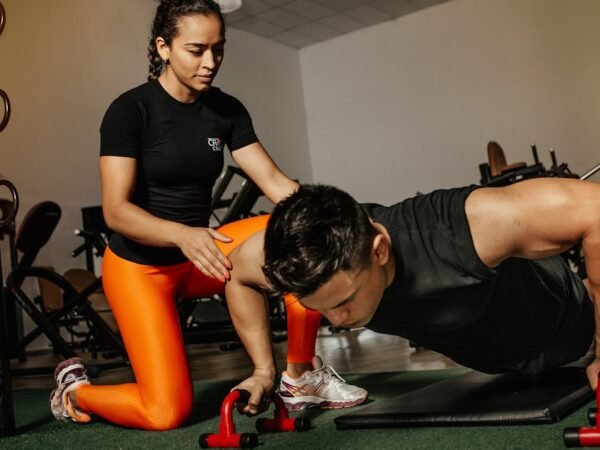
I can predict, with reasonable accuracy, which new clients will develop training injuries within their first year — not by looking at their strength levels or cardiovascular fitness, but by watching them move in a basic functional movement screen. Restricted hips, limited thoracic rotation, and poor ankle dorsiflexion are injury accidents waiting to happen under load. Mobility work prevents most of them.
Flexibility vs. Mobility: The Distinction That Matters
Flexibility is passive range of motion — how far you can stretch a muscle when relaxed. Mobility is active range of motion — your ability to move a joint through its full range under muscular control. Yoga improves flexibility. Mobility training develops your ability to use that range of motion effectively during athletic movements. Both are valuable; mobility is more directly transferable to training performance.
Where Most People Are Restricted
Hip flexors are chronically tight in anyone who sits for significant portions of the day. Thoracic spine mobility — the ability to rotate and extend through the mid-back — is severely limited in most desk workers, which causes the lumbar spine to compensate and creates lower back issues under load. Ankle dorsiflexion limits squat depth and forces compensatory movement patterns. These three areas address the majority of movement dysfunction I see in clients.
A Practical Daily Routine
Ten minutes daily beats 60 minutes twice a month. A morning routine that includes hip flexor stretches, thoracic rotation, and ankle mobility work takes 8–10 minutes and produces compounding improvement over weeks. The most effective mobility tools: a foam roller for soft tissue work, a lacrosse ball for targeted pressure, and consistent position exposure through varied daily movement.
Add mobility work to your warm-up — it prepares the joints and tissue for training load. Add it to your cool-down — it accelerates recovery. Make it a daily habit and it largely takes care of itself over time.