Recovery is where adaptation happens. Elite athletes understand this so completely that their recovery protocols are as rigorously structured as their training programs. The good news: the most effective recovery strategies require no special equipment, no supplements, and nothing more than commitment to implementing them consistently.
1. Sleep Architecture (Not Just Duration)
It’s not just about getting 7–9 hours — it’s about sleep quality. Elite athletes are obsessive about sleep environment: blackout curtains, cool room temperature (65–68°F), complete darkness, and a consistent sleep-wake time even on weekends. The deep sleep stages are where growth hormone peaks and muscle repair happens. Anything that disrupts sleep architecture — including alcohol, which fragments REM sleep — directly impairs recovery.
2. Active Recovery Sessions
A light 20–30 minute walk, swimming session, or bike ride at conversational intensity on rest days increases blood flow to recovering muscles, accelerates the clearance of metabolic waste, and reduces next-day soreness without creating additional training stress. This is more effective than complete rest for most people.
3. Cold and Heat Contrast
Alternating between cold exposure (cold shower, ice bath) and heat (sauna) creates a pumping action in the lymphatic system that accelerates waste clearance from muscles. Cold exposure also reduces inflammatory response, and regular sauna use has significant research support for cardiovascular adaptation and recovery. Even a cold-to-warm shower contrast produces measurable benefits.
4. Strategic Carbohydrate Refeed After Intense Sessions
After depleting workouts, muscle glycogen replenishment is a priority. Eating 50–100g of carbohydrates within 2 hours of intense training accelerates recovery and improves performance in subsequent sessions. This is not an excuse to eat anything — quality carbohydrates from rice, potatoes, and fruit serve this purpose best.
5. Parasympathetic Activation
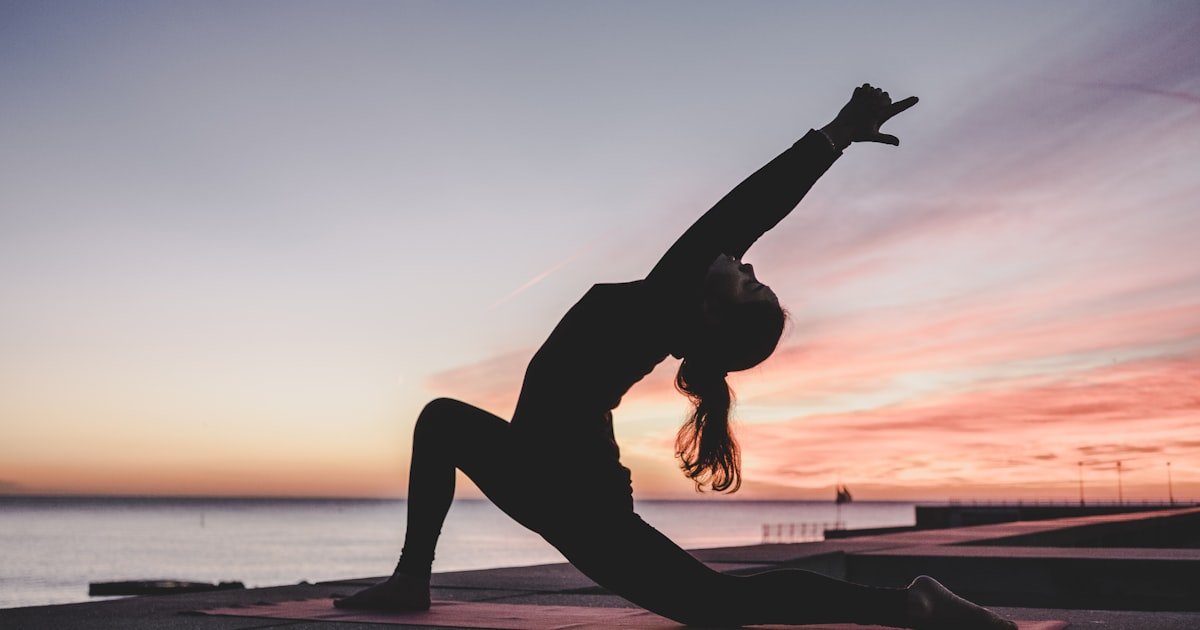
Deep breathing, meditation, yoga, or simply spending 15–20 minutes in a low-stimulation environment activates the parasympathetic nervous system and drives cortisol down after training. Box breathing (4 counts in, 4 hold, 4 out, 4 hold) for 5–10 minutes post-training is one of the simplest and most evidence-backed recovery tools available.
Apply these consistently over eight weeks and the cumulative effect on your training performance will be unmistakable.