Body recomposition — simultaneously losing fat and building muscle — is the fitness holy grail. It’s also one of the most debated topics in evidence-based fitness. Here’s what’s actually true: it’s possible, it’s more achievable in certain populations than others, and the conditions required for it are specific but attainable.
Who Can Achieve It Most Readily
Beginners to resistance training have the highest potential for simultaneous fat loss and muscle gain — a phenomenon sometimes called ‘newbie gains.’ The same is true for people returning to training after a significant break, and for individuals who are significantly overfat relative to their muscle mass. Advanced, well-trained athletes have a harder time achieving meaningful recomposition and are better served by dedicated bulking and cutting phases.
The Nutritional Conditions
Body recomposition requires eating at or very near calorie maintenance — not in a significant surplus (which prioritizes muscle gain but also adds fat) and not in a significant deficit (which prioritizes fat loss but risks muscle loss). This narrow caloric band requires accurate tracking and a high-protein intake (1g+ per pound of lean body mass) to provide the building blocks for muscle synthesis while fat is being mobilized for energy.
The Training Requirement
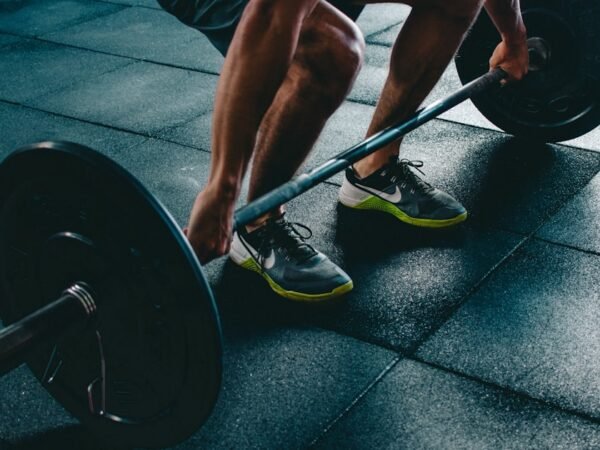
Progressive resistance training is non-negotiable. You need to give your body a compelling reason to use the available protein to build new muscle tissue rather than simply burning it for energy. Consistent, progressive strength work — ideally 3–4 sessions per week — is the signal your body needs to maintain and build muscle even in a neutral caloric environment.
Recomposition is slower than a traditional bulk or cut cycle. But for many clients — particularly those new to training or returning after years away — it produces remarkable results over a 6–12 month timeline without the psychological difficulty of extreme eating phases.