Cardio has a reputation it doesn’t entirely deserve. It’s not that cardio is bad — it’s that most people do too much of the wrong kind, at the wrong intensity, for the wrong goal. I’ve had clients running 5 miles a day while gaining body fat. Understanding why requires understanding how your body adapts to sustained aerobic stress.
The Adaptation Problem
Your body is extraordinarily efficient at adapting to repeated stimuli. Within 6–8 weeks of steady-state cardio at the same pace and duration, your body has largely optimized for that exact stress. Your caloric expenditure drops, your fat-burning efficiency plateau, and the same 45-minute run burns significantly fewer calories than when you started. This is not failure — it’s physiology working exactly as designed.
The Case for HIIT (Used Strategically)
High-Intensity Interval Training — alternating between intense effort and recovery periods — creates an elevated metabolic rate for hours post-exercise (the EPOC effect). It also preserves muscle mass better than prolonged steady-state work and can produce superior fat loss results in a fraction of the time. Two to three HIIT sessions per week tends to be the sweet spot for most clients before recovery becomes an issue.
The Actually Better Answer: Lift More
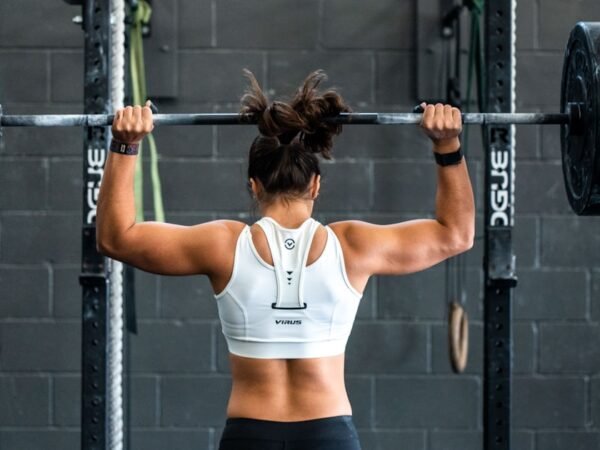
Resistance training builds metabolic tissue (muscle), which increases your resting metabolic rate permanently. Every pound of muscle burns additional calories at rest 24/7 — without you being on a treadmill. The best long-term body composition strategy for most people is strength training as the foundation, cardio as a supplement, and diet as the primary fat loss driver.
If you love running or cycling, do it — it’s excellent for cardiovascular health and mental well-being. But stop expecting it to be the engine of a physique transformation. The weights are doing that work.