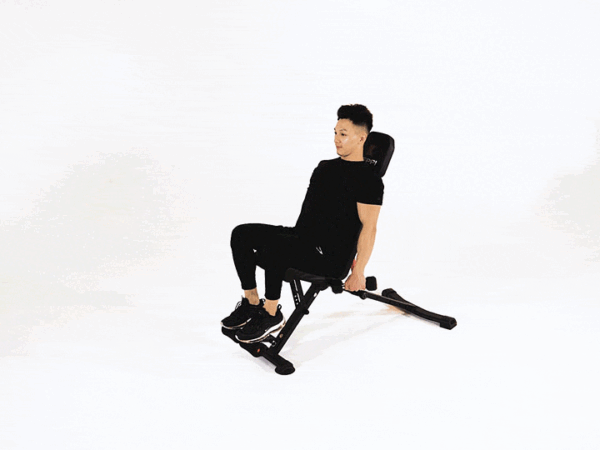
The “Seated Single-Arm Front Dumbbell Raise” is one of the effective exercises for strengthening and shaping the front shoulder muscles. In this exercise, due to performing the movement with one hand and in a seated position, greater focus and control are created over the shoulder muscles. This feature makes the exercise effectively impact the anterior deltoid muscle and is very beneficial for individuals looking to increase strength and mass in the shoulder area.
The seated position in this exercise helps stabilize the body and prevents unnecessary pressure on the lower back and posterior muscles. On the other hand, performing the exercise with one hand means that each shoulder is independently stressed, improving the balance of strength between the two sides of the body. This exercise is highly recommended for athletes looking to strengthen their shoulder muscles and create a beautiful upper body form.
Target Muscle
The primary target muscle in this exercise is the anterior or front deltoid muscle, which forms the front of the shoulder. This muscle plays an important role in the forward movements of the upper body, and by strengthening it, a stronger and more prominent appearance in the shoulder area can be achieved. Strengthening the anterior deltoid muscle helps increase shoulder stability and improve the performance of everyday movements.
By regularly performing the seated single-arm front raise, the mass and strength of this muscle can be specifically increased, and the strength balance between the two shoulders can be established. This exercise effectively helps increase shoulder size and ultimately improves the overall shape of the upper body.
Secondary Muscles Involved
In addition to the anterior deltoid muscle, other muscles such as the medial deltoid, core stabilizing muscles, and forearm and upper arm muscles are also involved during this movement. These muscles help maintain balance and body stability during the exercise and prevent unwanted body rotation.
The muscles of the back and lower back are also indirectly involved in this exercise, as the body in a seated position requires more stability and strength for the movement to be performed in a controlled manner. The cooperation of these muscles ensures that the exercise is performed safely and effectively, and the body is protected against excessive stress.
How to Perform the Exercise
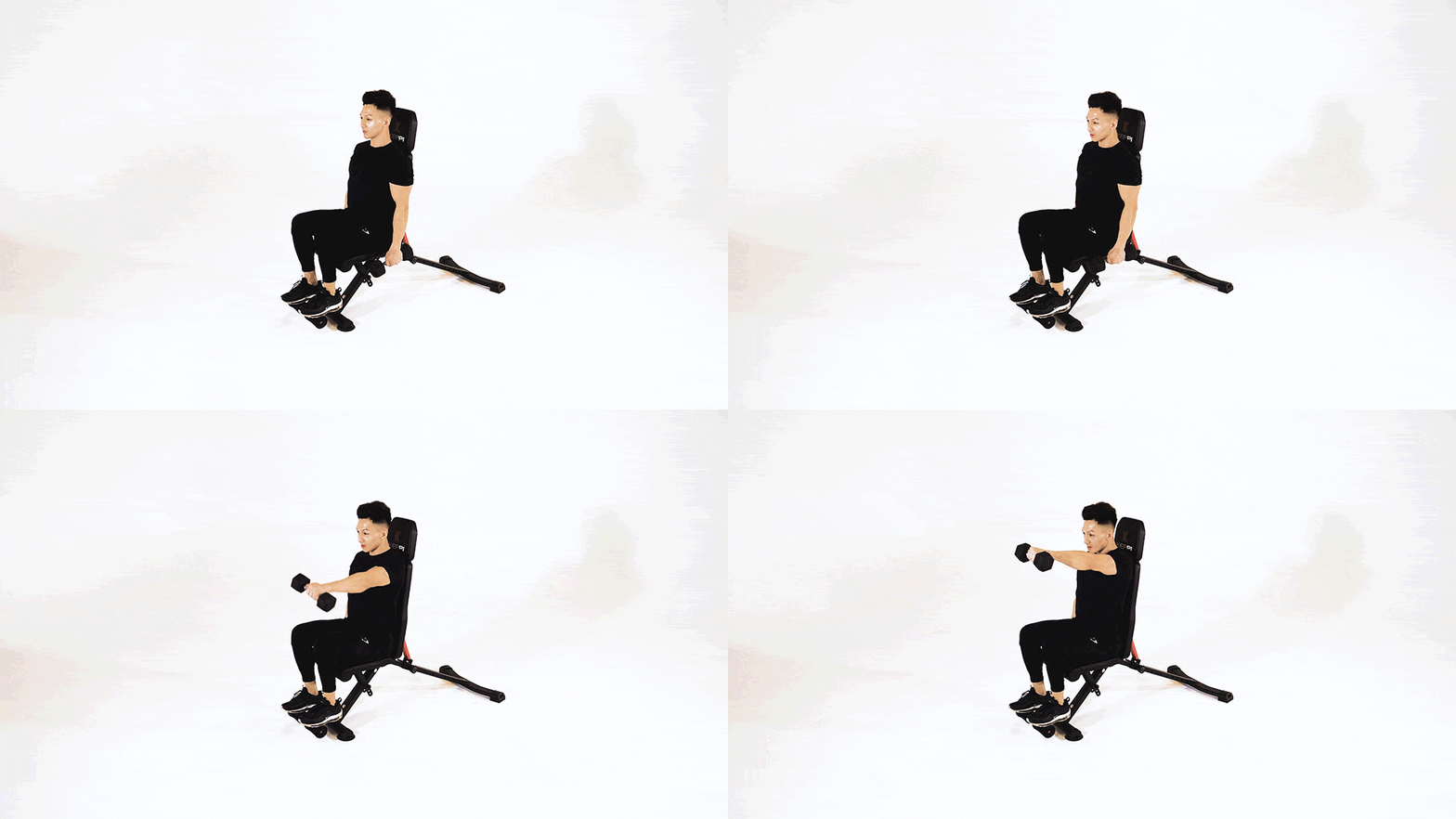
To perform this exercise, first sit on a bench and hold a dumbbell of appropriate weight in one of your hands. Keep your other hand close to your body or lean on the bench for balance. Hold the dumbbell in front of your body and near your thigh, then slowly and with full control, raise the dumbbell to shoulder height.
When lifting the dumbbell, be careful that the movement is performed only in the shoulder area and avoid body momentum. After the dumbbell reaches shoulder height, pause briefly, then slowly return it to the starting position. Perform this movement for the desired number of repetitions with each hand, focusing on control and precision in each repetition.
Equipment Needed
To perform this exercise, you will need a dumbbell of appropriate weight and a bench. The choice of dumbbell weight depends on your fitness level, but it should be such that you can perform the movement fully and without excessive strain on your shoulders and back.
Using a sturdy and stable bench is important for this exercise so that you can keep your body stable and without unnecessary movement throughout the workout. The presence of a bench allows for greater focus on the shoulders and reduces unnecessary stress on other parts of the body.
Yes, but beginners should use lighter dumbbells and pay attention to correct form to prevent potential injuries.
This exercise can be performed 2 to 3 times a week, allowing sufficient recovery time for the shoulder muscles between training sessions.
Using heavy weights requires more experience and control. It is best to choose an appropriate weight so that the movement is performed correctly and with full control.
Yes, but performing the exercise with one hand creates more focus on each shoulder and helps balance the strength between the two sides.
How to perform
-
Step 1
First, sit upright at the end of a bench with your feet shoulder-width apart, holding a dumbbell in one hand with an overhand grip (palms facing down) by your side.
-
Step 2
Slowly raise your arm towards the ceiling, contracting your shoulder as you lift, and hold this position for a moment.
-
Step 3
Return to the starting position.
-
Step 4
Repeat this movement for the desired number of repetitions and sets.