The seated barbell front raise is an effective exercise for strengthening and shaping the shoulder muscles, especially the anterior deltoid (front of the shoulder). This exercise focuses on the front part of the shoulders and is suitable for improving strength, size, and stability in the shoulder muscles. Performing this movement can help increase shoulder size and strength, which has a positive impact on aesthetics and fitness.
Due to the use of a barbell and the seated position, this exercise places more pressure on the shoulder muscles, increasing the engagement of the target muscles. Sitting helps stabilize the body and allows for greater focus on the shoulder muscles. This exercise is suitable for both beginners and advanced individuals and can be incorporated into various training programs.
Target Muscle
The target muscle in this exercise is the anterior deltoid (front part of the shoulder muscle). This muscle is particularly engaged in the seated barbell front raise and helps strengthen and shape the front of the shoulder. The anterior deltoid is also used in many daily movements, and strengthening it can improve athletic performance and reduce the risk of shoulder injuries.
Strengthening the anterior deltoid helps increase shoulder stability and strength, allowing individuals to have more control during heavy training or overhead movements. Along with other shoulder muscles, this muscle significantly contributes to improving shoulder form and appearance, and regular performance of this exercise can help achieve well-shaped and strong shoulders.
Secondary Muscles Involved
In the seated barbell front raise, in addition to the anterior deltoid, the lateral and posterior deltoids are also engaged to a lesser extent. These secondary muscles help stabilize and control the movement, and strengthening them can create more balance in shoulder training. The posterior muscles also play a supporting role in this exercise, helping to stabilize the body in a seated position.
In addition to the deltoid muscles, the core muscles (especially the abdominal and lower back muscles) are also utilized to maintain balance and control the movement. Strengthening these secondary muscles can lead to better performance and greater control in shoulder exercises and prevent potential injuries.
How to Perform the Exercise
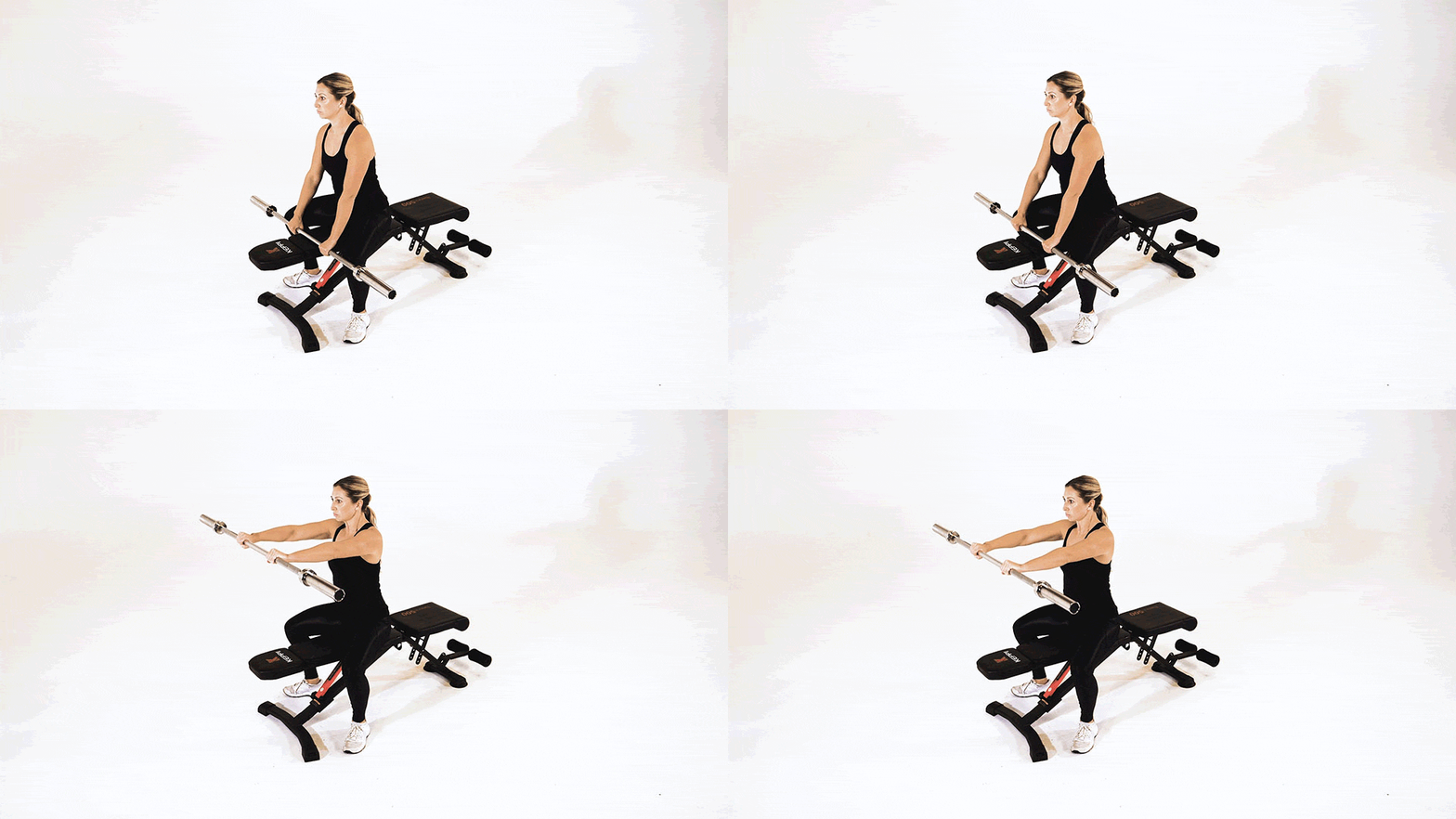
To perform this exercise, first sit on a flat bench and hold a barbell with an appropriate weight in front of you with a shoulder-width grip. Keep your back straight and slowly bring the barbell up from below towards the front and overhead. The movement should be performed with complete focus and control, avoiding excessive pressure on the lower back.
When returning to the starting position, slowly lower the barbell back down with control. Perform this exercise for the recommended number of repetitions and pay attention to your breathing and maintaining correct body form. Using the right weight and focusing on proper form can help prevent injuries and improve results.
Equipment Needed
- Flat bench for sitting
- Barbell with appropriate weight
- Comfortable sportswear to avoid restricting movement
Yes, but it’s best to use lighter weights and focus on correct form.
Two to three times a week is sufficient to effectively strengthen the shoulder muscles.
Yes, this exercise is very effective for increasing the size and strength of the shoulder muscles, especially the anterior deltoid.
Yes, the core muscles are also engaged in this exercise to maintain balance and control the movement.
How to perform
-
Step 1
Start by sitting at the end of a flat bench, with your feet flat on the floor in front of you, and hold a barbell with your hands resting on your knees.
-
Step 2
Slowly raise the barbell to shoulder level, engaging your shoulder muscles as you lift, and hold for a few seconds.
-
Step 3
Return to the starting position.
-
Step 4
Perform this exercise for the required number of repetitions and sets.