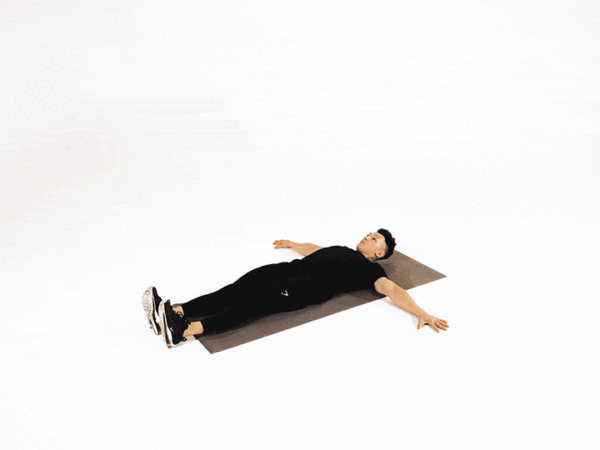
The “Dynamic Back Stretch” movement is a stretching and flexibility exercise designed to increase range of motion and reduce tension in the lower back and back area. This exercise is particularly beneficial for individuals who sit for long periods or suffer from back pain. The “Dynamic Back Stretch” can help reduce muscle soreness and improve blood flow in the lumbar region.
Due to its focus on stretching and dynamic movements, this exercise helps strengthen and relax the muscles of the lower back and back. Additionally, by performing this exercise regularly, you can prevent muscle injuries and improve your posture.
Target Muscles in Dynamic Back Stretch
The primary target muscles in the “Dynamic Back Stretch” are the back and lumbar muscles, including the erector spinae and lower back muscles. These muscles are responsible for supporting the spine and maintaining correct posture. Strengthening and stretching these muscles helps reduce back tension and pain, leading to improved flexibility in the lumbar region.
In addition to the primary target muscles, other muscles such as the gluteal muscles and hamstrings are indirectly involved. These muscles help maintain balance and support the lower back during the movement, contributing to overall body strength and flexibility.
Secondary Muscles Involved in Dynamic Back Stretch
In the “Dynamic Back Stretch” movement, secondary muscles like the gluteal muscles and hamstrings are actively engaged. These muscles help stabilize the body and increase strength and flexibility in the lumbar area. The gluteal muscles help maintain correct body position and increase stretching power, while the hamstrings help maintain balance and reduce tension in the back of the thighs.
Additionally, the abdominal muscles and back muscles are also engaged as supporting muscles in this exercise. These muscles help maintain body stability, increase movement efficiency, and prevent potential injuries in the lumbar region.
How to Perform the Dynamic Back Stretch
1. To begin, sit gently on a flat surface with your legs extended forward. Place your hands beside your body and gently lean forward until you feel a stretch in your lower back and back area.
2. Then, slowly return to the starting position and repeat the movement gently. Note that throughout the movement, keep your back straight and avoid sudden or forceful movements. Performing this exercise slowly and carefully will help you prevent potential injuries.
Equipment Required
No specific equipment is required to perform the “Dynamic Back Stretch” exercise. This exercise can be easily performed on a flat and comfortable surface. However, for added comfort, you can use a mat or a soft pad to prevent pressure on your body.
If you wish, you can use a pillow or a soft pad to support your lower back. This can enhance comfort, prevent excessive pressure on your back, and make the exercise easier and more effective.
Yes, the “Dynamic Back Stretch” is suitable for beginners due to its simplicity and minimal equipment requirement. It is recommended that beginners perform this movement carefully and with attention to their body’s condition.
To achieve optimal results, you can perform this exercise 2 to 3 times a week, doing 10 to 15 repetitions each time.
Yes, this exercise can help reduce back pain and improve lumbar flexibility. Regular performance of this exercise can help strengthen back muscles and reduce tension in this area.
Yes, the “Dynamic Back Stretch” can be easily performed at home and does not require special equipment. You can do this exercise on a flat and comfortable surface at home.
To prevent injury, you should maintain correct form and avoid sudden or forceful movements. Additionally, proper warm-up before exercise can help reduce the risk of injury.
How to perform
-
Step 1
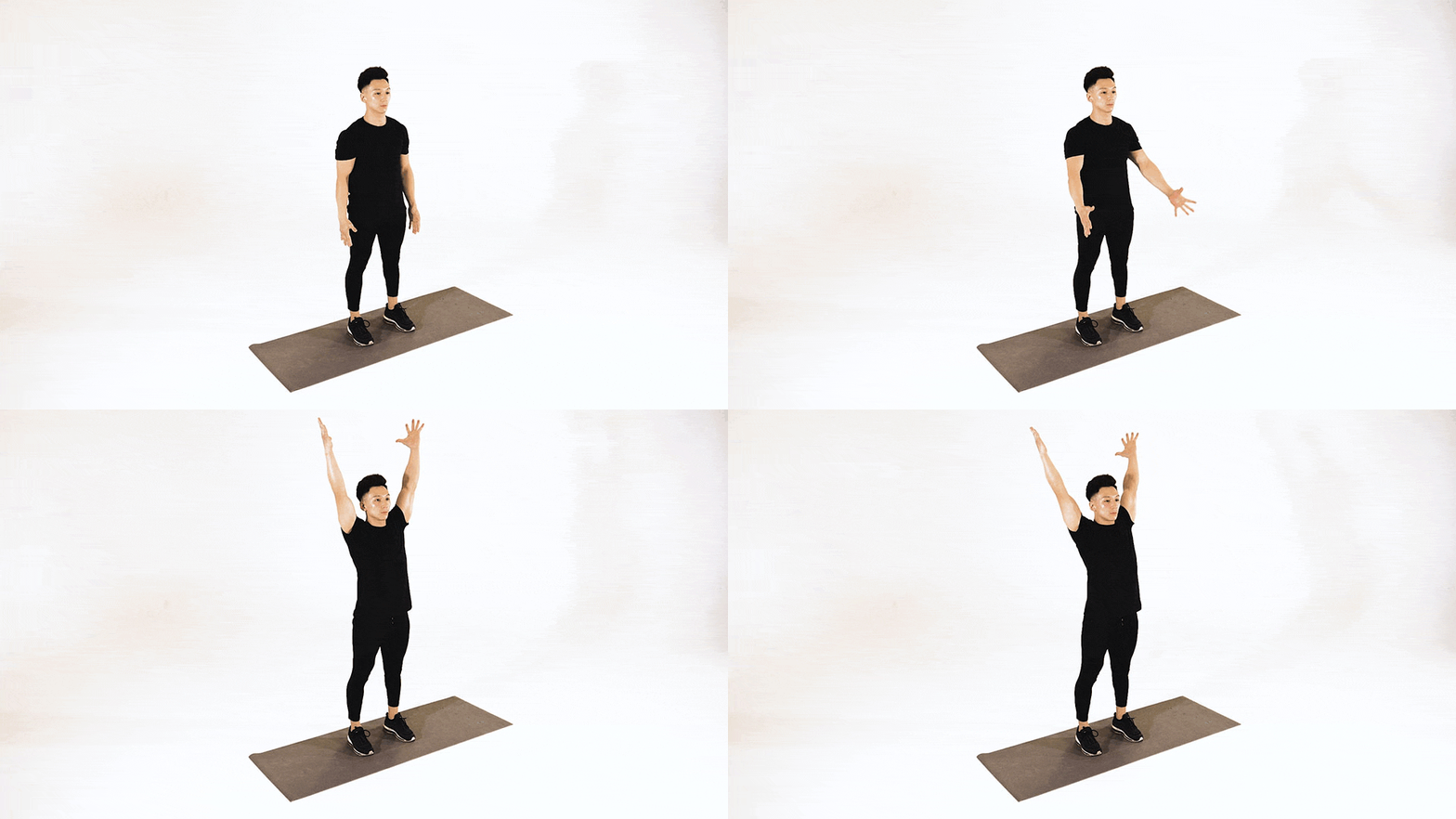
Start by standing upright with your feet shoulder-width apart and your arms at your sides.
-
Step 2
Swing your arms straight up in front of you towards the ceiling, repeating this motion about 5 to 10 times, until you feel a stretch in your lower back.
-
Step 3
Repeat this exercise for your desired number of repetitions.