The standing dumbbell rotational row is a compound exercise specifically focused on strengthening the back and shoulder muscles. In addition to strengthening the main muscles, this exercise also engages the core and stabilizing muscles of the body. Performing this exercise correctly requires precision and focus on proper body form to prevent potential injuries and achieve maximum results. This exercise is typically used in back strengthening programs and for improving balance and body stability. Due to the need for simultaneous rotation while pulling the dumbbell, this movement helps improve body control and coordination. Furthermore, regular performance of this exercise can help increase overall body strength and improve athletic performance.
Target Muscle in Standing Dumbbell Rotational Row
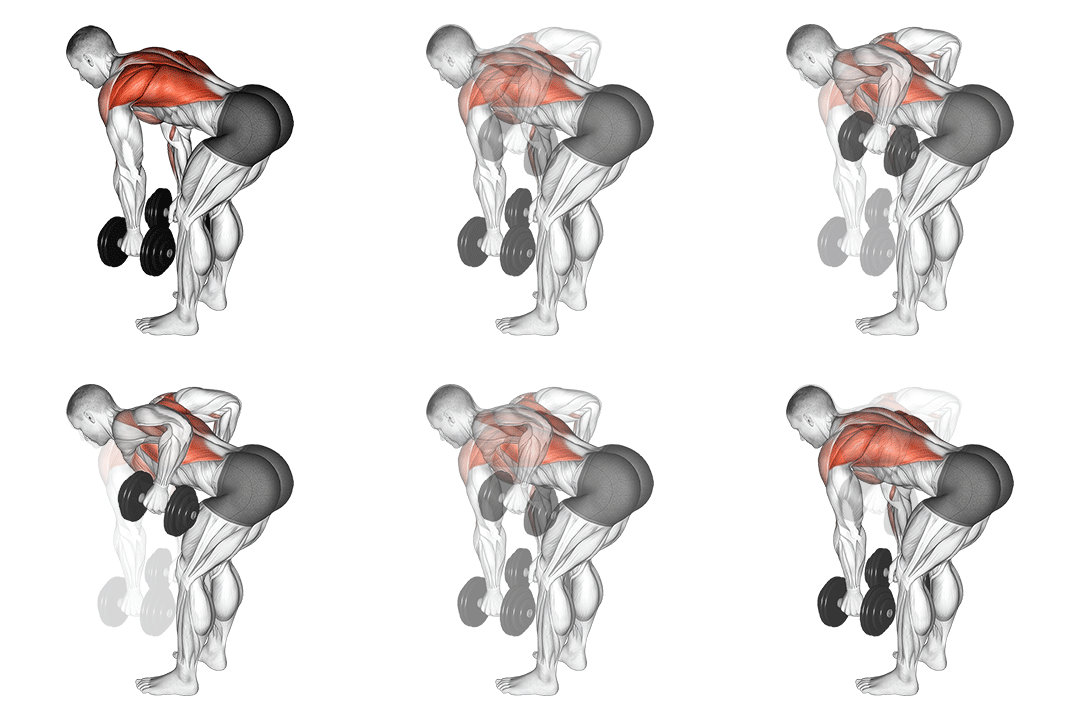
The primary target muscle in the “dumbbell rotational row” is the back muscles, especially the Latissimus Dorsi. This is the largest muscle in the back, extending from the lower spine towards the shoulders, and is responsible for pulling and rotational movements of the arm. Strengthening the Latissimus Dorsi helps improve overall body strength and endurance and prevents injuries related to muscle weakness in the back area. This muscle plays a vital role in many daily and athletic movements, and strengthening it helps improve physical performance in various activities.
Secondary Muscles Engaged in Standing Dumbbell Rotational Row

In addition to the Latissimus Dorsi, other secondary muscles are also engaged in this exercise. The Trapezius and Deltoid muscles are among the main secondary muscles involved. These muscles help stabilize the shoulders and keep the dumbbell elevated. Furthermore, core muscles such as the abdominal muscles and spinal stabilizers are also activated during this exercise. These muscles help maintain body balance and stability throughout the movement and play an important role in preventing injuries while performing this exercise.
How to Perform the Standing Dumbbell Rotational Row
To perform the “dumbbell rotational row,” start by standing with your feet shoulder-width apart and holding a dumbbell in each hand. Hinge forward at your hips so your back is straight and nearly parallel to the ground. Hold the dumbbells in front of you with your arms straight and hanging down.
Pull the dumbbell up while simultaneously rotating your torso to the same side. At the end of the movement, your shoulder should be elevated, and the dumbbell should be by your side. Slowly return to the starting position and repeat for the other side. Be sure to maintain proper breathing throughout the movement and avoid excessive rotation that could injure your lower back.
Equipment Needed
To perform the “dumbbell rotational row,” you only need a pair of dumbbells. The weight of the dumbbells should be appropriate for your fitness level so you can perform the movement correctly and without risk of injury. Using dumbbells of the right weight allows you to focus more on form and control of the movement. You also need a flat, stable surface to properly position your body. It is preferable to use an exercise mat to prevent slipping and increase comfort. Yes, but beginners are advised to start with lighter weights and focus on proper form. Training with heavy weights without sufficient experience can lead to injury.
- How many times a week should I do this exercise?
Depending on your training program, you can perform this exercise 2 to 3 times a week. It is best to have at least one rest day between training sessions to allow muscles to recover.
- Can I use other weights instead of dumbbells?
Yes, you can use kettlebells or other weights, but dumbbells are a good option due to better control and ease of rotation.
- How can I prevent injury while performing this exercise?
To prevent injury, ensure your form is correct and use weights you can control properly. Also, be sure to warm up your body before starting the workout and perform stretching exercises afterward.
How to perform
-
Step 1
Start by standing upright with your feet shoulder-width apart, holding a dumbbell in each hand with a neutral grip (palms facing your body).
-
Step 2
Hinge at your hips, lowering your torso towards the ground until you feel a stretch in your hamstrings, keeping your back straight.
-
Step 3
Pull the dumbbells towards your chest, squeezing your back muscles at the top of the movement. Keep your wrists neutral. Hold for a moment, then slowly lower the dumbbells back to the starting position.
-
Step 4
Repeat for the desired number of repetitions and sets.