The Posterior Lower Leg Stretch is a stretching exercise specifically designed to stretch and strengthen the muscles in the back of the lower leg. This movement helps improve flexibility and reduce tension in the muscles of this area, and can help prevent problems such as leg pain and tendonitis. Due to the importance of the calf muscles in daily activities like walking, running, and various sports, performing this exercise is crucial for maintaining overall leg health. This movement is particularly beneficial for athletes, runners, and individuals who regularly engage in physical training. Regular performance of the “Posterior Lower Leg Stretch” helps reduce the risk of injury and improve athletic performance. This exercise not only aids in muscle flexibility but also leads to the relief of muscle pain and tension.
Target Muscle in Posterior Lower Leg Stretch

The primary target muscle in the “Posterior Lower Leg Stretch” is the Gastrocnemius muscle, which is the largest calf muscle and is located in the back of the lower leg. This muscle, along with the Soleus muscle, plays a vital role in leg movement and stability, especially when standing and running. The Gastrocnemius muscle extends from behind the knee to the heel and is one of the key muscles in any physical movement that requires pressure on the legs. In addition to the Gastrocnemius muscle, the Achilles tendon, which connects the calf muscles to the heel bone, is also affected as part of the target muscular system in this movement. Regular stretching of this tendon helps maintain flexibility and reduce the risk of injury.
Secondary Muscles Involved in Posterior Lower Leg Stretch
Alongside the Gastrocnemius and Soleus muscles, other muscles of the lower leg are also engaged in this exercise. One of these muscles is the Tibialis Posterior, located in the deeper part of the lower leg, which helps stabilize the ankle. This muscle plays an important role in controlling foot movements and overall stability. Furthermore, smaller muscles in the sole of the foot, particularly the Plantar muscles, may also be indirectly affected. These muscles play a significant role in preventing injuries related to daily activities by providing support and stability to the feet. Stretching these muscles can help improve overall function and reduce the risk of injuries caused by continuous pressure.
How to Perform the Posterior Lower Leg Stretch
To perform the “Posterior Lower Leg Stretch,” first stand facing a wall and place one foot in front of the other. Bend the knee of the front leg and keep the back leg straight. The soles of both feet should be completely on the ground. Then, slowly move your body forward until you feel a stretch in the back of your lower leg and Achilles tendon. Hold this position for 20 to 30 seconds. To increase the pressure and stretch, you can move slightly further forward or extend the back leg further back. After holding the stretch for the specified time, slowly return to the starting position and repeat the movement for the other leg. This exercise can be performed multiple times a day to achieve the best results in increasing flexibility and reducing muscle tension.
Equipment Needed
The “Posterior Lower Leg Stretch” does not require any special equipment and can be performed anywhere. All you need is a wall or a stable surface for support. This feature makes the movement one of the simple and effective exercises to do at home or even at work. However, if you are looking to create more stretch or add variety to the movement, you can use a foam roller or a step to perform the exercise with increased pressure. These tools can help you perform the exercise more deeply and achieve better results. But generally, this exercise is very simple and can be done without advanced equipment.
Yes, this exercise is suitable for most people, but those with specific issues such as severe leg or tendon injuries should consult a doctor before performing it.
The optimal hold time for the stretch is between 20 to 30 seconds. This can be repeated several times a day for best results.
Yes, regular stretching of the calf muscles can help reduce pain and tension in this area, and also improve blood circulation.
Yes, increasing flexibility and reducing tension in the calf muscles can help improve athletic performance and reduce the risk of injury.
This exercise can be done as part of a daily stretching routine or after exercise to prevent tension and reduce soreness.
How to perform
-
Step 1
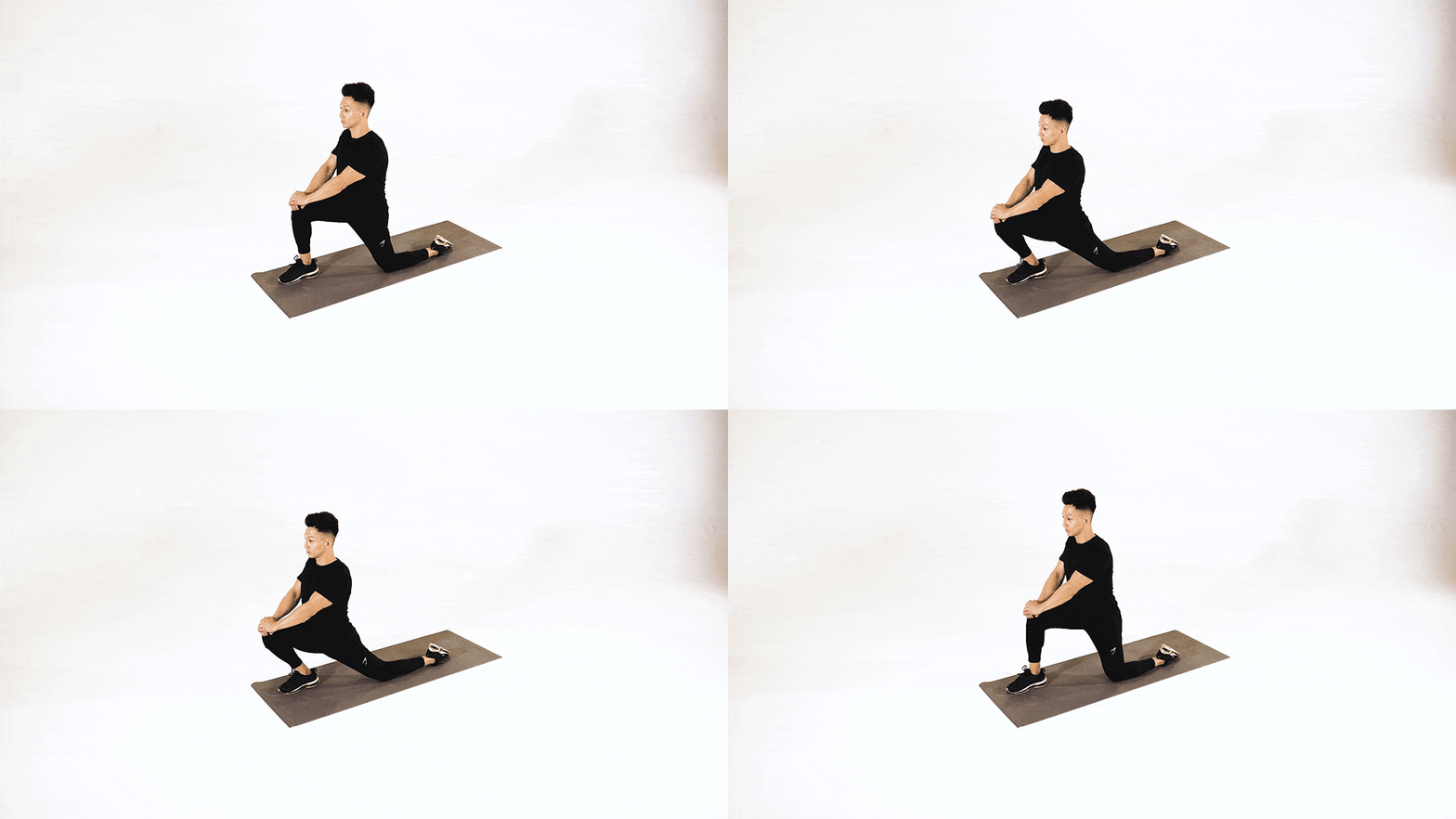
Start this stretch by kneeling on one knee while the opposite foot is placed flat on the ground.
-
Step 2
Keep your spine straight and align your hips and shoulders in a line.
-
Step 3
Place one hand on the knee of the front leg and lean slightly forward.
-
Step 4
Hold this position for a few seconds, then switch legs and repeat.