The lying kickback exercise, “Half Locust” or “Half Locust Pose”, is a yoga exercise used to strengthen the muscles of the back, glutes, and hamstrings. This movement is a simpler and easier part of the full Locust pose and is very suitable for beginners or individuals who need more strengthening of the back and lower body muscles. This movement helps improve flexibility, balance, and strengthens the core muscles.
Performing this exercise regularly reduces pressure on the spine and helps improve posture and balance. Also, this exercise can help reduce stress and tension in the back muscles and create a greater sense of calm and comfort.
Target Muscle in Lying Kickback
The main target muscle in the “Half Locust” movement is the lower back muscles or the erector spinae muscles. These muscles are engaged during the movement by lifting the legs off the ground, strengthening and stabilizing the back and spine area.
Strengthening these muscles helps improve overall body posture and prevents problems such as back pain and spinal deformities. Focusing on these muscles improves the stability and strength of the core area and aids in performing other movements in yoga and sports.
Secondary Muscles Engaged in Lying Kickback
In addition to the lower back muscles, other secondary muscles are also engaged in this movement. These muscles include the glutes and hamstrings. These muscles are used when lifting the legs and keeping them extended, strengthening the posterior parts of the lower body.
The muscles of the shoulders and arms are also indirectly engaged to maintain balance and support the body during this movement. This engagement strengthens these muscles and increases stability and control in various body movements.
How to Perform the Lying Kickback
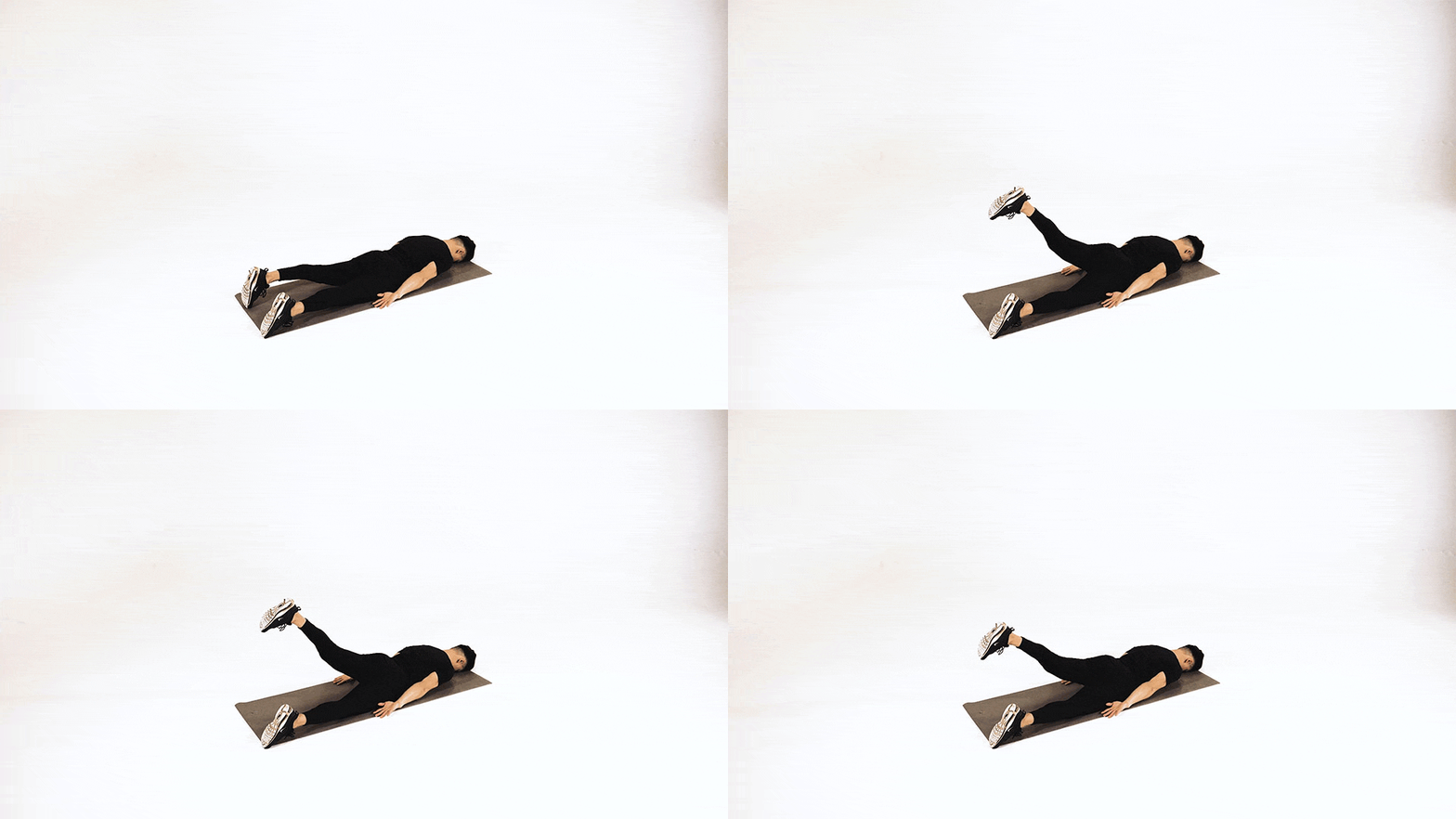
To perform the “Half Locust” movement, first lie face down on the floor. Place your hands by your sides and rest your forehead on the ground. Then, slowly lift one leg off the ground as high as you can. In this position, your glutes and lower back should press down towards the floor.
Hold the leg in this position for a few seconds, then slowly return to the starting position. Repeat this movement for each leg separately. Note that while performing the movement, breathe deeply and slowly, and focus on maintaining control and balance of the body.
Equipment Needed
No special equipment is needed to perform the “Half Locust” movement. Only a soft and comfortable surface, such as a yoga mat or a towel, is sufficient for performing this exercise. This mat helps the body remain in a comfortable position during the movement and reduces pressure on different parts of the body.
If desired, you can use a pillow or blanket to support sensitive areas of the body such as the hips and abdomen. The use of this equipment is optional and depends on the individual’s comfort and needs during the exercise.
The number of repetitions depends on your fitness level and physical needs. It is generally recommended to perform this exercise for 3 sets of 8-12 repetitions for each leg. As you progress and increase your ability, you can increase the number of repetitions.
Yes, this exercise helps strengthen the lower back muscles and can be effective in reducing back pain. However, if you have severe back pain, it is best to consult with a doctor or physical therapist before performing this exercise.
Yes, “Half Locust” is suitable for beginners due to its simplicity and controllability. This movement is easier than the full Locust pose and can help strengthen the lower body and back muscles.
Yes, “Half Locust” is a low-impact exercise and you can include it as part of your daily routine. However, keep in mind that the body needs time for recovery and rest. Therefore, if you feel fatigue or pain, it is better to take a rest day.
No, in the “Half Locust” movement, you lift only one leg at a time. This helps maintain balance and control of the movement, and puts less strain on the spine.
How to perform
-
Step 1
First, lie face down on the floor, placing your hands next to your hip bones.
-
Step 2
Slowly lift your right leg into the air.
-
Step 3
Hold this position for 15 to 30 seconds, then return to the starting position and repeat the movement for the opposite leg.
-
Step 4
Repeat this exercise for the desired number of repetitions, sets, and duration.