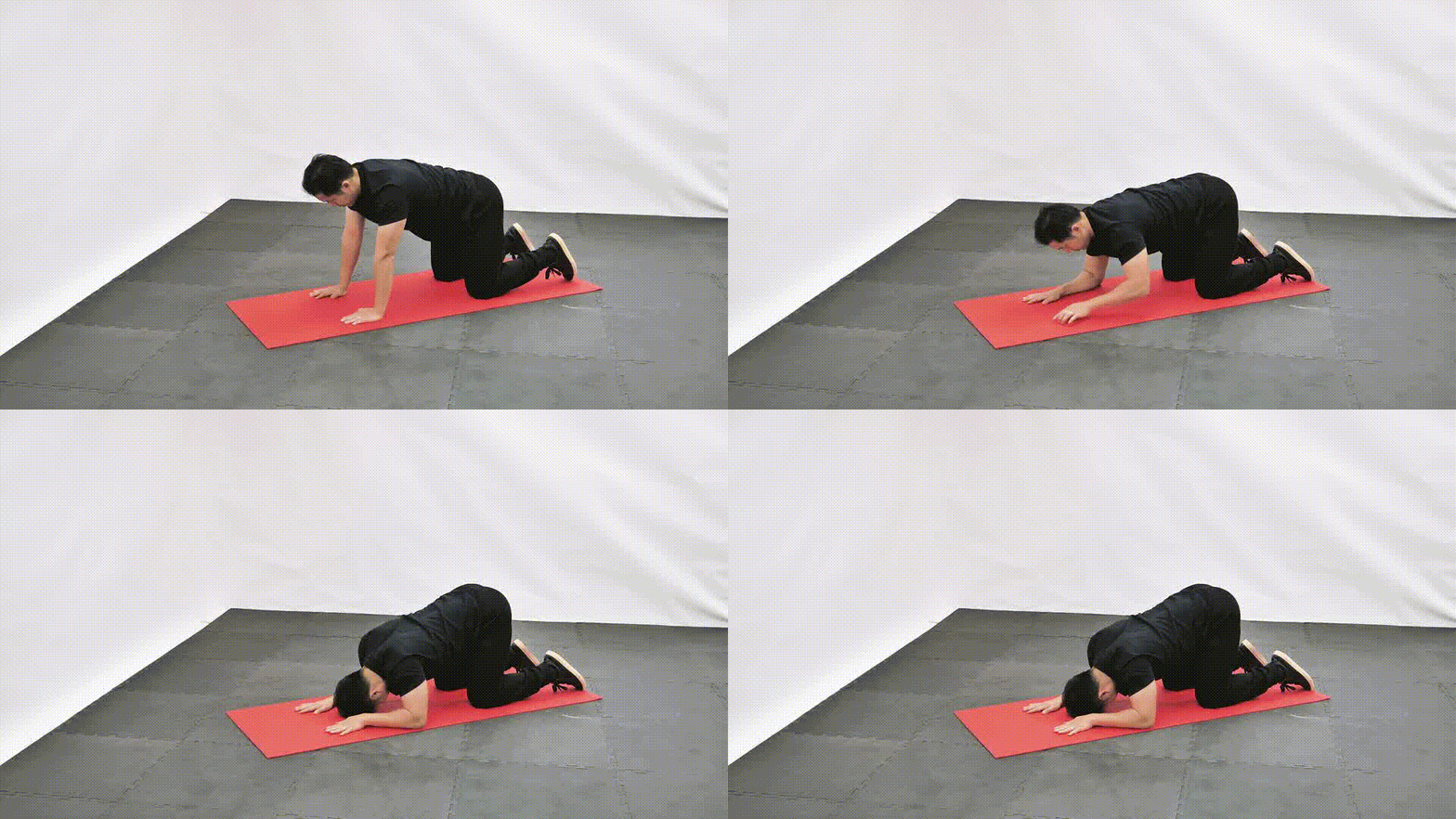
The “Downward Facing Puppy Dog” movement is a stretching and balancing exercise that is particularly popular in yoga. This movement helps strengthen the core muscles and improve flexibility. In this position, the body is in the shape of an inverted triangle, and this specific shape helps improve blood flow and strengthen the muscles of the back and legs.
This movement is known as a beginner exercise in yoga, and due to its simplicity and positive effects on the body, it is widely used in yoga classes and physical training. This exercise not only increases physical strength but also helps in calming the mind and reducing stress.
Target Muscles in Downward Facing Puppy Dog
The primary target muscles in the “Downward Facing Puppy Dog” movement are the back muscles (Erector Spinae) and hamstrings. These muscles are actively engaged during the stretch, leading to increased strength and flexibility. Additionally, this movement helps strengthen the muscles of the back and legs, contributing to overall body balance.
Furthermore, during this movement, the chest and shoulder muscles are also activated. This helps improve posture and strengthen the upper body muscles, aiding in maintaining balance during the movement.
Secondary Muscles Involved in Downward Facing Puppy Dog
Alongside the target muscles, the abdominal muscles (Rectus Abdominis) and gluteal muscles (Gluteus Maximus) are also engaged in this movement. The abdominal muscles help maintain stability and body control, ensuring the body is in the correct and safe position.
Additionally, during the movement, the calf muscles (Gastrocnemius) and adductor muscles are also active. These muscles help maintain balance and control throughout the movement, contributing to improved flexibility in the leg area.
How to Perform the Downward Facing Puppy Dog
To perform the “Downward Facing Puppy Dog” movement, first get into a tabletop position (on hands and knees). Then, slowly lift your knees off the ground and push your hips up and back. Your body should form an inverted triangle, with your head facing towards your feet. Ensure your back is straight and extended, and your hands are directly under your shoulders.
Distribute your weight evenly between your hands and feet, and breathe gently. Try to hold this position for about 30 seconds to 1 minute, then slowly return to the starting position. You can repeat this movement several times to benefit from its effects.
Equipment Needed
No special equipment is required to perform this exercise, but you can use a yoga mat for added comfort. A yoga mat helps prevent slipping on the floor and provides a more comfortable experience during the movement.
If desired, you can use an aid like a wall or a chair for extra support while performing this movement, especially if you need more balance when starting. However, overall, this exercise can be easily performed without additional equipment.
Yes, the “Downward Facing Puppy Dog” movement is very suitable for beginners and can help them improve flexibility and strength.
It is generally recommended to repeat this movement 3 to 5 times, holding the position for about 30 seconds to 1 minute each time.
This movement helps strengthen the muscles of the back and legs, improve flexibility, reduce stress, and calm the mind.
Individuals with injuries should consult with a doctor or fitness trainer before performing this movement to ensure its safety.
Yes, performing this movement can help improve breathing and increase body awareness, especially when breathing gently during the movement.
How to perform
-
Step 1
Start by kneeling on an exercise mat with your feet hip-width apart. As you do this, extend your hands forward and lower your head towards the floor.
-
Step 2
Always keep your knees under your hips so that your hips are elevated.
-
Step 3
Gently pull back through your hips and lower back, holding this position for 5 to 10 long, slow breaths.
-
Step 4
Return to the starting position and repeat.