The Stability Ball Low Back Stretch is an effective stretching exercise to reduce tension and pain in the lower back. This exercise is performed using a stability ball and helps improve flexibility and reduce stress in the lower back area. This movement is particularly beneficial for individuals who sit for long periods or experience back pain. Using a stability ball allows you to more easily achieve deeper stretches and relieve more pressure from the lower back. By performing this exercise regularly, you can help improve your posture, increase your range of motion, and reduce pain.
Target Muscle in Stability Ball Low Back Stretch
The “Stability Ball Low Back Stretch” primarily focuses on the lower back muscles, specifically the Erector Spinae muscles that run along the spine and are responsible for supporting and maintaining an upright posture. Stretching these muscles helps reduce tension and pain in the lower back area. In addition to the lower back muscles, this exercise can also help reduce tension in other muscles, including the gluteal muscles and hamstrings, which contribute to improving overall back posture and reducing discomfort. Strengthening and stretching these muscles can help improve movement and reduce the risk of injury.
Secondary Muscles Involved in Stability Ball Low Back Stretch
During the “Stability Ball Low Back Stretch,” secondary muscles are also indirectly engaged. The abdominal muscles (Abdominals) and obliques help maintain balance and control of the body. These muscles assist in stabilizing the body and maintaining the correct stretched position. Other muscles, such as the upper back and shoulder muscles, may also be indirectly involved, as maintaining balance on the stability ball requires the participation of these muscles to prevent falling. Strengthening these muscles can help improve overall body posture and prevent injuries.
How to Perform the Stability Ball Low Back Stretch
1. Sit on the stability ball with your feet shoulder-width apart to maintain balance. Then, slowly lean forward and extend your arms forward to stretch the lower back area. 2. In this position, breathe slowly and try to gently stretch the lower back. Hold this position for 20 to 30 seconds, then slowly return to the starting position. 3. Repeat this exercise 2 to 3 times, acting slowly and carefully each time to avoid overstretching and injury.
Equipment Needed
To perform the “Stability Ball Low Back Stretch,” you need a stability ball. The stability ball should be sufficiently inflated so you can sit on it and maintain your balance. Ensure the ball has adequate pressure and can support your body weight. If a stability ball is not available, you can use a soft, stable surface to perform similar stretches, although the stability ball allows for a deeper stretch. Additionally, using a soft mat can enhance comfort and reduce pressure during the exercise.
Yes, this exercise can help reduce tension and pain in the lower back. However, if you have serious back problems, it is best to consult with a doctor before performing this exercise.
To improve your back posture and reduce pain, you can perform this exercise 2 to 3 times a week. Regular performance of this exercise can help reduce tension and improve flexibility.
Yes, performing warm-up exercises before starting the “Stability Ball Low Back Stretch” can help prevent muscle injuries and improve performance. Warm-up includes light stretching exercises to prepare the back muscles.
To prevent potential injuries, ensure you perform the movement slowly and with control. Also, avoid excessive pressure on your lower back and avoid using a ball with low pressure.
Yes, this exercise can help improve back posture and reduce pain. However, if you have serious back problems or severe pain, consulting a doctor is recommended.
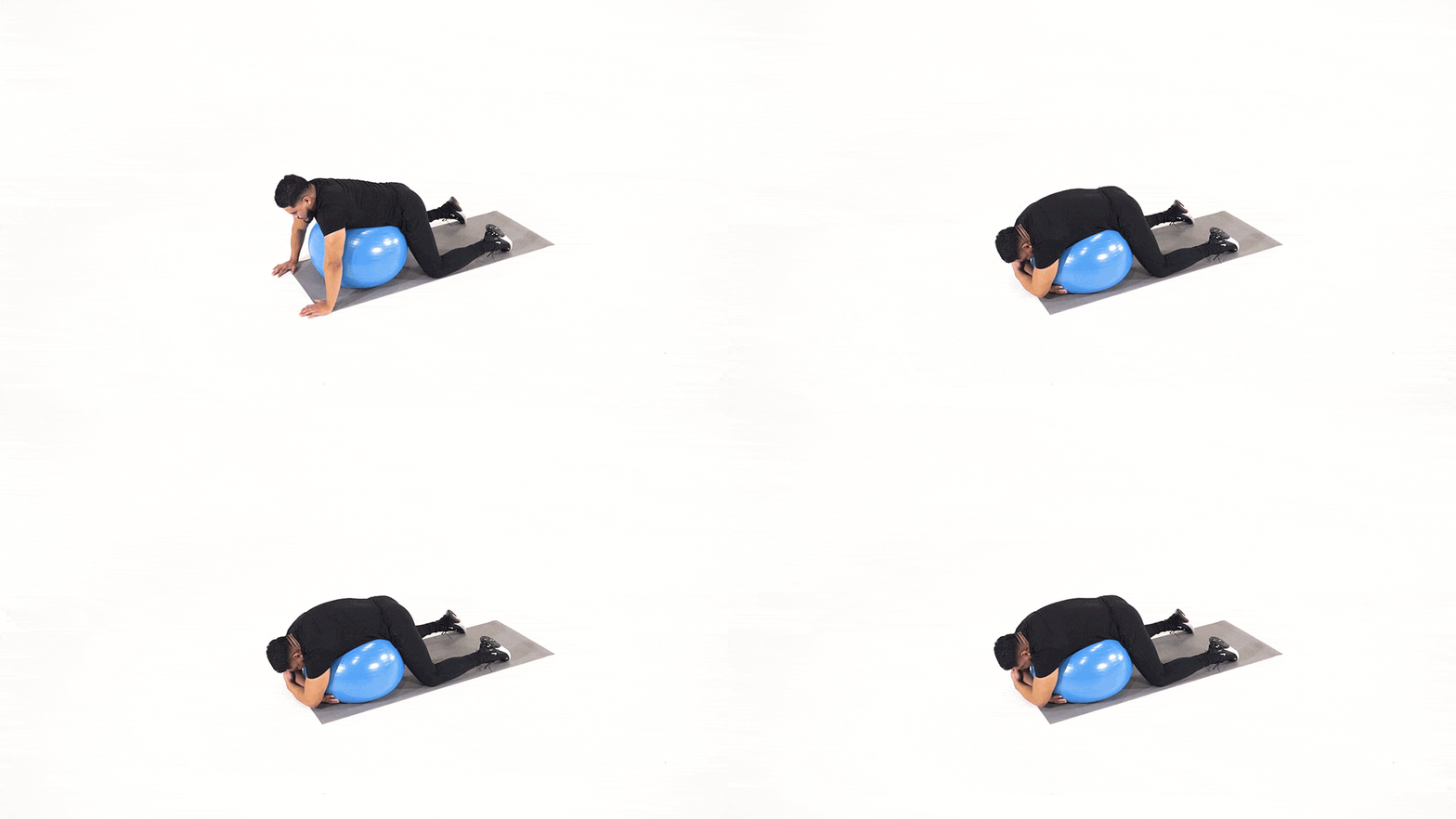
How to perform
-
Step 1
: Lie face down on the exercise ball with your hands on the floor beside the ball, while your feet rest on the floor behind you.
-
Step 2
: Get into a comfortable position, wrap your arms around the ball in a "hugging" motion, and feel the stretch along your lower back.
-
Step 3
: Hold this position for a few seconds, then return to the starting position.