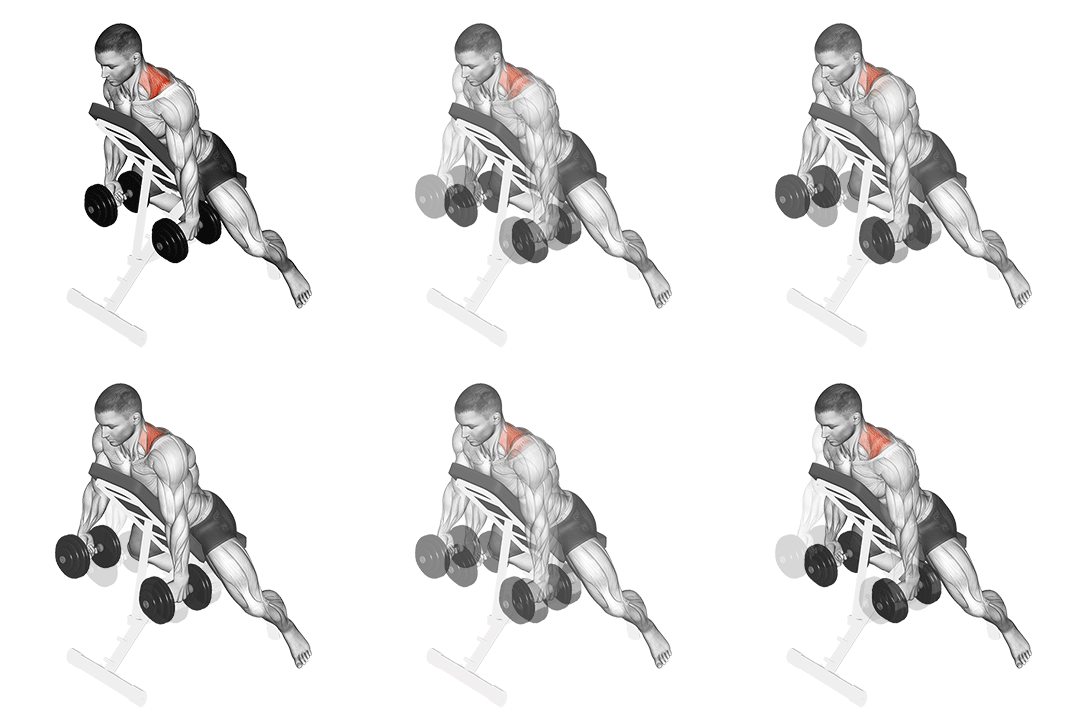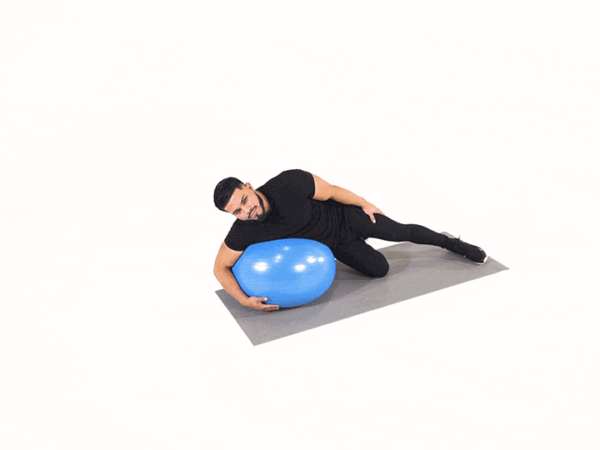

The Low Back Chair Stretch is a simple and effective stretching exercise that helps reduce tension and pain in the lower back. This exercise is particularly beneficial for individuals who spend long hours sitting and experience back problems. Using a chair and without the need for special equipment, you can easily perform this exercise at work or home. This stretch helps you relax your lower back muscles and increase the range of motion in your lumbar region. Regular practice of this exercise can help reduce stress and pain in the lower back and improve overall posture.
Target Muscle in Low Back Chair Stretch
The “Low Back Chair Stretch” primarily focuses on the lower back muscles, especially the Erector Spinae muscles that run along the spine. These muscles play a crucial role in maintaining an upright posture and supporting the spine. By stretching these muscles, you can reduce tension and pain in the lower back. In addition to the lower back muscles, this movement can also help relax and stretch other muscles in the back and gluteal region. The gluteal muscles and hamstrings may also be indirectly engaged, thereby contributing to improved back health and overall body tension reduction.
Secondary Muscles Involved in Low Back Chair Stretch
During the “Low Back Chair Stretch,” secondary muscles are also indirectly involved. The abdominal muscles (Abdominals) and oblique muscles (Obliques) are important for maintaining balance and stability in this stretched position. These muscles help stabilize the body and enhance the stretch in the lower back. Other muscles, such as the upper back and shoulder muscles, may also be indirectly engaged due to the need to maintain balance in this stretched state. Strengthening and stretching these muscles can contribute to improved overall posture and injury prevention.
How to Perform the Low Back Chair Stretch
1. Sit on the edge of a sturdy chair with your feet shoulder-width apart. Gently lean your body forward until you feel a stretch in your lower back. Extend your arms forward to increase the stretch. 2. While in this position, breathe gently and try to feel the stretch in your lower back. Hold this position for 20 to 30 seconds, then slowly return to the starting position. 3. Repeat this exercise 2 to 3 times, acting gently and carefully each time to avoid overstretching and injury.
Equipment Needed
To perform the “Low Back Chair Stretch,” you only need a chair. The chair should be sturdy and stable so you can comfortably sit on its edge and maintain your balance. Ensure the chair is strong enough to support your body weight. If a chair is not available, you can use another soft surface for similar stretches, although a chair allows for a more effective stretch. Additionally, using a soft mat can enhance comfort and reduce pressure during the exercise.
Yes, this exercise can help reduce tension and pain in the lower back. However, if you have serious back issues, it’s best to consult with a doctor before performing this exercise.
To improve back health and reduce pain, you can perform this exercise 2 to 3 times a week. Regular practice can help reduce tension and improve flexibility.
Yes, performing warm-up exercises before starting the “Low Back Chair Stretch” can help prevent muscle injuries and improve performance. Warm-up includes light stretching exercises to prepare the back muscles.
To prevent potential injuries, ensure you perform the movement slowly and with control. Also, avoid excessive strain on your lower back and avoid using a chair of the wrong height.
Yes, this exercise can help improve posture and reduce back pain. However, if you have serious back problems or severe pain, consulting a doctor is recommended.
How to perform
-
Step 1
: Sit upright on the chair with your feet flat on the floor in front of you.
-
Step 2
: Gently bend your body to one side, reaching one hand upwards towards the ceiling, while using the hand on the bent side to hold onto the chair for support.
-
Step 3
: Hold this stretch for 15 to 30 seconds, then return to the starting position and repeat the exercise on the opposite side.
-
Step 4
: Repeat this movement for your desired number of repetitions and duration.