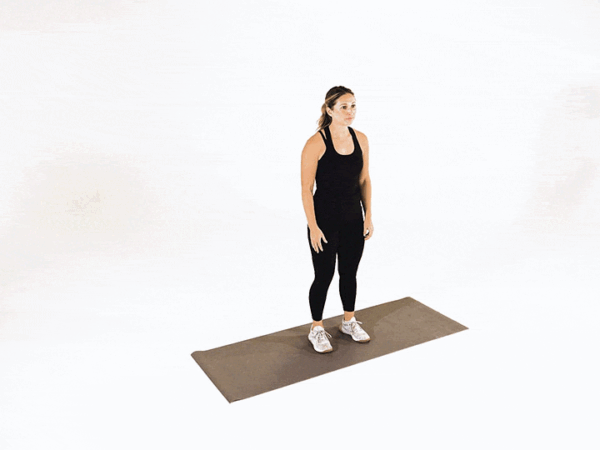
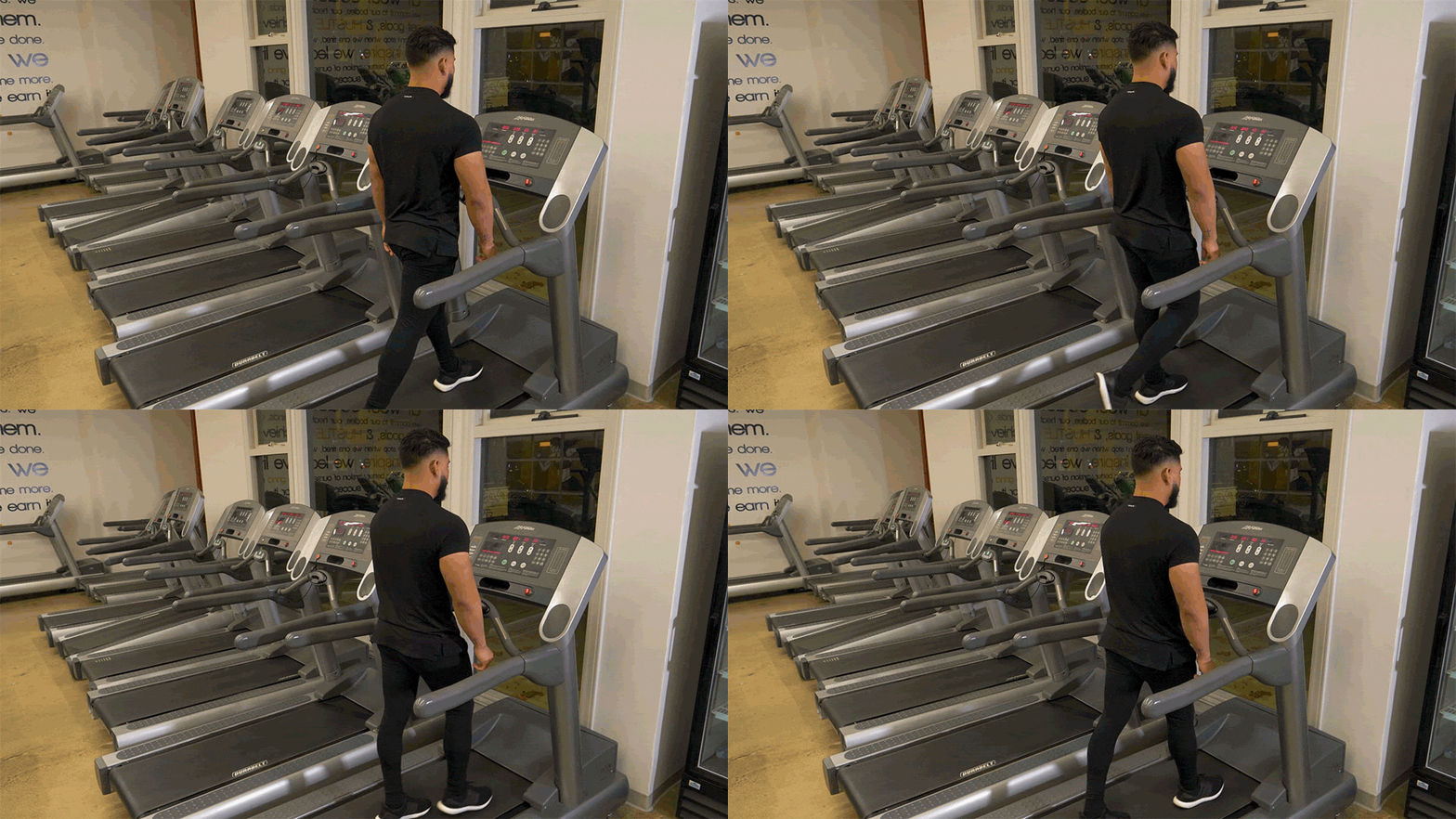
The “walking” movement, or simply walking, is one of the simplest and most effective methods of physical training, readily accessible to everyone. This natural and cost-free activity can help improve physical condition, reduce weight, and enhance cardiovascular health. Walking is not only beneficial for the body but also has positive effects on mental health and stress reduction. This movement can be incorporated as a daily activity or as part of your regular training program. Walking is a low-impact activity with a lower risk of injury than more intense sports. It is suitable for all ages and can easily be adjusted for desired speed and distance. By adding this activity to your daily routine, you can significantly improve your quality of life.
Target Muscles in Walking
The primary target muscles in this exercise are the lower body muscles, including the thigh muscles (quadriceps), hamstrings, calf muscles (gastrocnemius and soleus), and hip muscles. These muscles actively work with every step taken to propel the body forward and maintain balance. Additionally, the core muscles (including abdominal muscles and muscles around the spine) are activated to maintain balance and stability during movement. Strengthening these muscles helps improve overall posture and prevent problems like back pain.
Secondary Muscles Involved in Walking
Secondary muscles involved in this exercise include the gluteal muscles (gluteus maximus, medius, and minimus), which help stabilize the pelvis and move the legs. The quadriceps and hip flexors (iliopsoas) also play a significant role in flexing and lifting the leg. Calf muscles like the gastrocnemius and soleus are also activated with each step to lift the heel and propel the body forward. Furthermore, smaller lower leg muscles such as the anterior and lateral leg muscles (tibialis anterior and peroneals) are engaged for balance and control of foot movements.
How to Perform Walking
To perform the walking movement, you should first adopt a proper posture. This posture involves standing upright, with shoulders back and head held straight. Then, start with a small step forward and gradually shift your weight from your heel to your toes. Take your steps consistently and at a steady rhythm. Move your arms naturally and alternately to maintain better balance. Try to breathe regularly and use deep breaths to ensure adequate oxygen supply to the muscles. You can adjust the speed and distance of your walk according to your fitness level.
Equipment Needed
Walking does not require specific equipment, which is one of the reasons for its popularity. However, wearing a pair of suitable and comfortable shoes with adequate foot support is very important. Walking shoes should have a proper and flexible sole to reduce the impact on your feet and prevent potential injuries. Also, wearing appropriate clothing for the weather conditions can make the walking experience more comfortable and enjoyable. On warm days, wear cool and light clothing, and on cold days, wear warm, layered clothing. It is also recommended to use a water bottle to stay hydrated during your walk.
Yes, it is an excellent way to lose weight, provided it is done regularly and with appropriate intensity. Combining walking with a healthy diet can yield better results.
To see tangible results, it is recommended to walk for at least 30 minutes a day, at least 5 days a week. However, the duration and intensity can be adjusted according to your goals and fitness level.
Yes, it is a low-impact and safe activity suitable for all ages. Elderly individuals and those with physical limitations can also benefit from it, provided they start slowly and gradually increase the duration and intensity.
Yes, it can help reduce stress and improve mood. This activity helps increase the release of endorphins in the brain, which bring about feelings of well-being and relaxation.
How to perform
-
Step 1
Walking, a type of cardio exercise, can be done outdoors or on a treadmill and focuses on burning calories, strengthening core and leg muscles, and increasing overall body endurance.