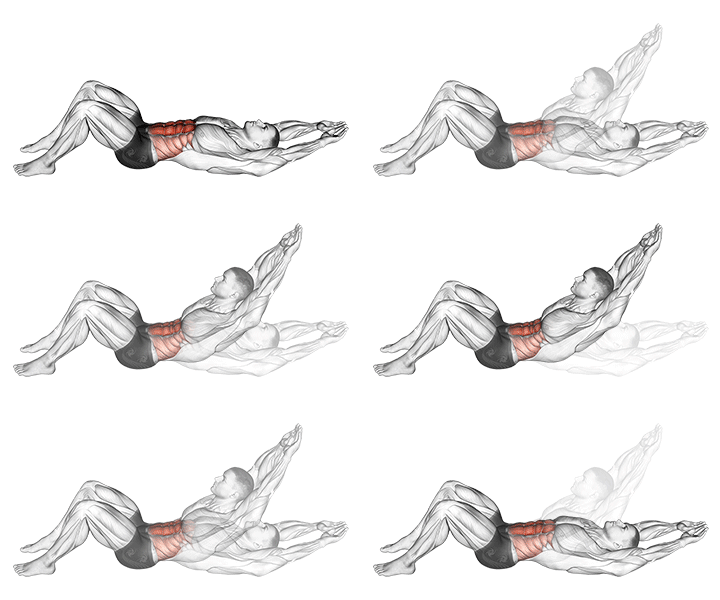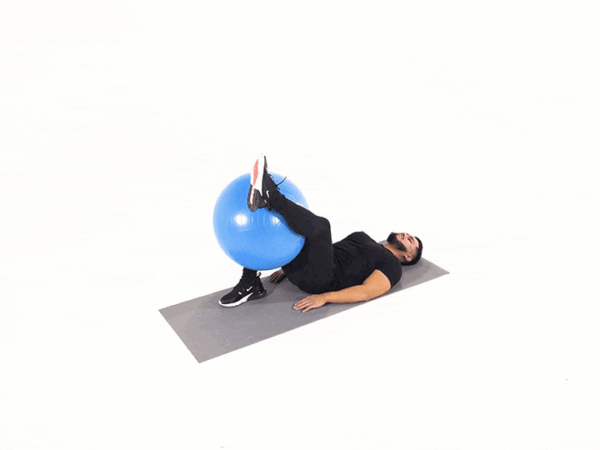
The Leg Raise exercise, also known as “Leg Raise”, is an important and effective exercise for strengthening the abdominal muscles. This exercise is usually included in core strengthening programs. It is popular among athletes due to its simplicity and lack of need for complex equipment. In addition to strengthening the abdominal muscles, this movement helps improve flexibility, strength, and endurance of the lower leg muscles. This movement is performed by controlled lifting of the legs from a lying position. It creates direct pressure on the abdominal muscles and the lower abdomen. If performed correctly, the “Leg Raise” movement can effectively strengthen the abdominal muscles and thighs.
Target Muscle in Leg Raise
The primary target muscle in the “Leg Raise” movement is the Rectus Abdominis. These muscles are heavily engaged, especially when lifting and lowering the legs. The main goal of performing this exercise is to strengthen and build endurance in this area of the abdominal muscles. Given that this movement places more pressure on the lower part of the abdominal muscles, the “Leg Raise” is one of the best exercises for those looking to strengthen their lower abs and achieve a more defined midsection.
Secondary Muscles Involved in Leg Raise
In addition to the Rectus Abdominis, the Hip Flexors are also active in the “Leg Raise” movement. These muscles work hard, especially when lifting the legs, increasing strength and stability in the hip and pelvic area. The Lower Back muscles also play a supporting role in this exercise, helping to maintain balance and body control. Although these muscles are not directly targeted, they are engaged to prevent injury and maintain body stability.
How to Perform the Leg Raise
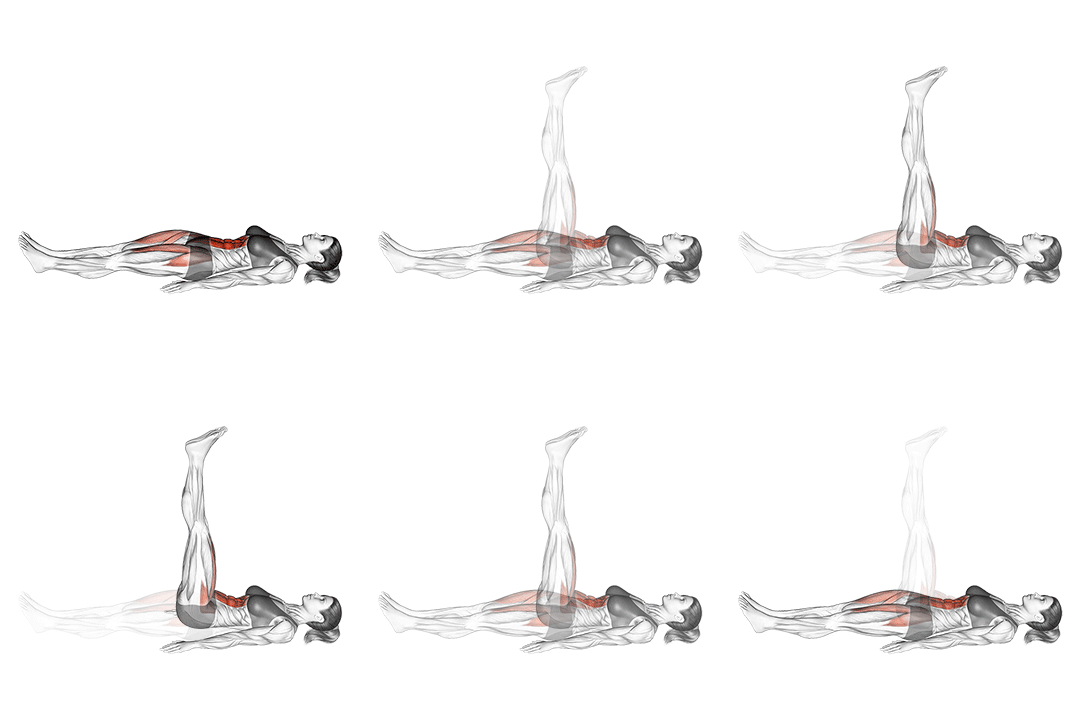
To perform the “Leg Raise” movement, first lie on your back on the floor with your hands by your sides. Keep your legs together and slowly begin to lift them. Note that your legs should be completely straight and move upwards without bending. When your legs reach a 90-degree angle to your body, pause for a moment, then slowly return your legs to the starting position. Be careful that your lower back remains pressed to the floor as you lower your legs to prevent back injury. Perform 10 to 15 repetitions for each set.
Equipment Needed
The “Leg Raise” movement does not require any special equipment, and you can easily perform it anywhere. You only need a flat surface such as the floor or an exercise mat (Yoga Mat) to prevent back injury and ensure more comfort during the workout. In some cases, if you want to make the exercise more challenging, you can use ankle weights. These weights are attached to the legs and increase the resistance and difficulty of the movement.
Yes, the “Leg Raise” movement specifically targets the rectus abdominis and helps strengthen the lower abdominal muscles.
Performing this exercise 2 to 3 times a week as part of an abdominal workout routine is recommended.
The “Leg Raise” movement helps strengthen abdominal muscles, but for belly fat reduction, it should be combined with a proper diet and cardiovascular exercises.
Yes, you can use ankle weights to increase the intensity of the workout. This increases the resistance of the movement.
To make the movement easier, you can lift your legs with your knees bent, which reduces the strain on your abdominal muscles.
Yes, this exercise can be suitable for beginners, provided it is performed correctly and with control.
How to perform
-
Step 1
Steps to Perform the Exercise: Starting Position: Lie on your back on the floor, a bench, or an exercise mat. Place your arms by your sides with your palms facing down. You can place your hands slightly under your hips for extra support. Keep your legs straight and together. Engage Your Core: Tighten your abdominal muscles to keep your torso stable throughout the exercise. Press your lower back into the floor to prevent arching. Lifting Your Legs: Slowly lift your legs towards the ceiling, keeping them straight and together. Continue lifting until your legs are perpendicular to the floor or as high as you can comfortably go without lifting your lower back off the ground. Pause: Briefly pause at the top of the movement, maintaining the contraction in your abdominal muscles. Lowering Your Legs: Slowly lower your legs back to the starting position, keeping them straight and together. Ensure your lower back remains in contact with the floor throughout the movement.