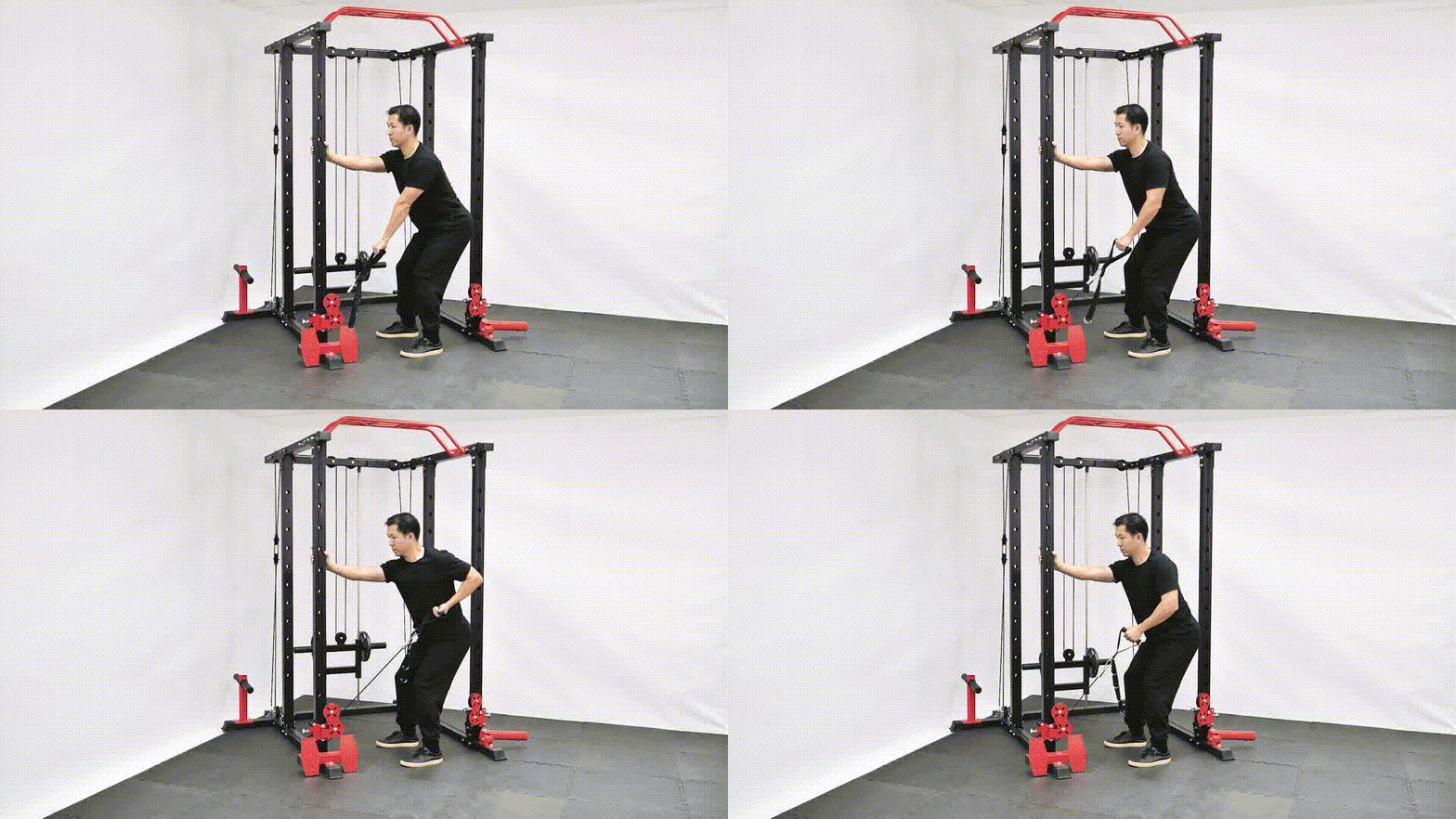
The “Cable One-Arm Rotational Row” is a compound and multi-dimensional exercise that, in addition to strengthening the back muscles, helps improve balance, core muscle endurance, and rotational movement control. This exercise is performed using a cable machine and has a broad impact on various body muscles due to the rotational movements involved. This exercise is highly suitable for individuals looking to enhance athletic performance and improve balance and strength in rotational movements. The Cable One-Arm Rotational Row also helps improve muscular coordination and joint stabilization and can be used as a supplementary exercise in training programs.
Target Muscle in Cable One-Arm Rotational Row
The primary target muscle in the “Cable One-Arm Rotational Row” is the latissimus dorsi, or “lats.” These muscles are activated by pulling the cable towards the body and simultaneously rotating the torso, helping to strengthen and develop muscle mass in the back area. The rotational movement also helps increase the range of motion of these muscles. Strengthening the latissimus dorsi not only improves pulling and rowing strength but also leads to better endurance and muscular stamina in complex, multi-dimensional movements. These muscles are engaged with each pull and rotation, contributing to the stabilization and strengthening of the mid-body area.
Secondary Muscles Involved in Cable One-Arm Rotational Row
In addition to the latissimus dorsi, various secondary muscles are involved in this exercise. The abdominal muscles and the external obliques are heavily engaged in the rotational movements, helping to stabilize and control the body throughout the exercise. By performing this movement, these muscles help improve strength and balance in the core area. Furthermore, the shoulder muscles and the trapezius muscles are also active in this exercise. These muscles help stabilize the shoulder and assist in pulling the cable towards the body. The biceps are also utilized in this movement, contributing to arm strengthening. This combination of engaged secondary muscles makes the Cable One-Arm Rotational Row a complete exercise for strengthening the upper body.
How to Perform the Cable One-Arm Rotational Row
To perform the “Cable One-Arm Rotational Row,” first adjust the cable machine to an appropriate height and grasp the handle with one hand. Adopt a stance with the foot opposite your working hand placed forward, leaning your body towards the cable. As you begin the movement, pull the cable towards your side while simultaneously rotating your torso towards your working hand. Throughout the movement, ensure your spine remains straight and the rotation originates from your waist. After pulling the cable close to your side, slowly return to the starting position and repeat the exercise. Once you have completed the desired repetitions, train the other side of your body.
Equipment Needed
To perform the “Cable One-Arm Rotational Row,” you will need a cable machine with an adjustable handle. This machine allows you to perform the exercise with appropriate resistance and adjust the weight and intensity of the workout. Using a suitable handle can improve movement control and reduce the risk of injury. In addition to the cable machine, wearing appropriate shoes with good grip and comfortable, flexible clothing is recommended for performing this exercise. These items will help you perform the workout with better precision and control, leading to better and safer results.
Yes, due to its combination of rotational and strengthening movements, this exercise is highly suitable for improving balance, endurance, and strength in athletic activities.
Yes, the abdominal muscles, particularly the external obliques, are heavily engaged and strengthened during the rotational movement.
This exercise is recommended for intermediate and advanced individuals. Beginners can start with lighter weights and gradually increase the resistance.
To prevent injury, it is important to perform the movement in a controlled manner and maintain correct form. Additionally, using appropriate weights and warming up before training helps reduce the risk of injury.
How to perform
-
Step 1
Begin by standing in front of a cable machine with a handle attached.
-
Step 2
Grip the handle with one of your hands and slowly pull the weight towards your side, rotating your arm during the movement until it reaches a reverse grip position (palm facing upwards).
-
Step 3
When you feel a stretch in your lower back, contract the muscles and hold for a few seconds, then return to the starting position.
-
Step 4
Repeat this exercise for the desired number of repetitions and sets.