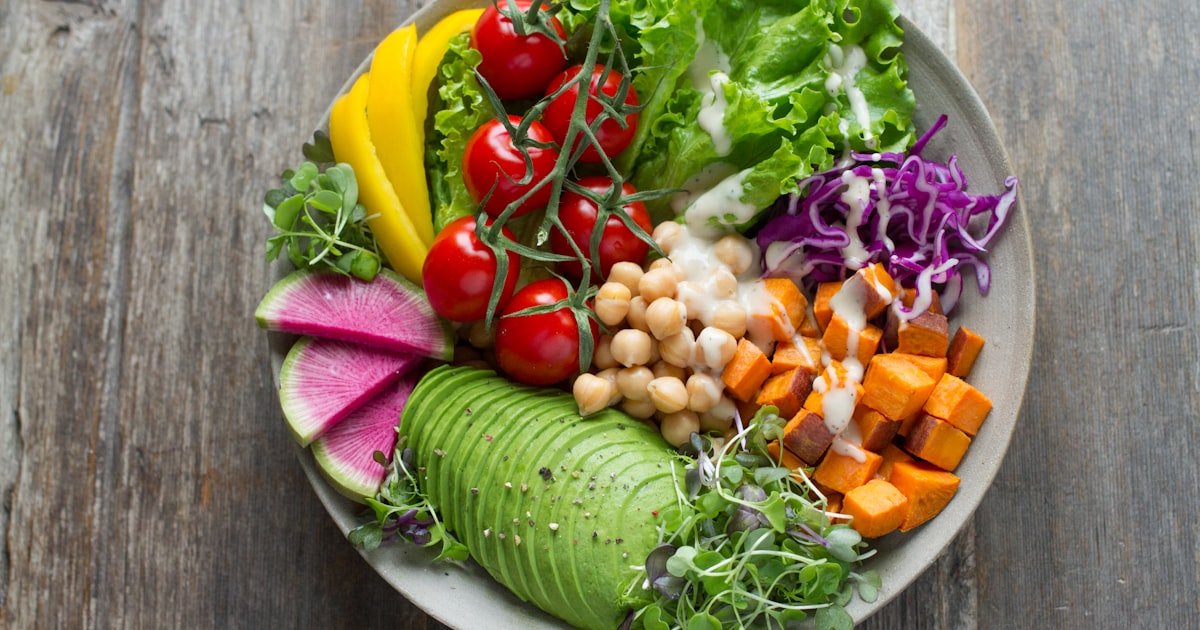
Workout nutrition doesn’t need to be complicated, but it does need to be intentional. The meals you eat in the 2–3 hours surrounding your training session influence your energy during the workout, the rate of muscle protein synthesis after, and how quickly you recover to perform again.
Pre-Workout: Fuel Without Heaviness
The pre-workout meal should be consumed 60–90 minutes before training. The goal is to arrive at your session with adequate blood glucose without digestive discomfort. Prioritize easily digestible carbohydrates for energy and a moderate protein source for amino acid availability. Good examples: oatmeal with a scoop of protein powder, Greek yogurt with banana, rice cakes with peanut butter and fruit. Avoid high-fat and high-fiber meals close to training — they slow digestion and can cause discomfort under heavy loads.
What Actually Matters (Intra-Workout)
For most training sessions under 75 minutes, water is all you need. For extended sessions or double training days, a small amount of fast-digesting carbohydrates (a banana, some gummy bears, or a sports drink) can maintain performance in the back half of the workout. Branched-chain amino acid supplements have limited evidence behind them if you’re consuming adequate total protein daily.
Post-Workout: The Recovery Window
The post-workout window is real, but not as narrow as once believed. Within 1–2 hours of training, prioritize protein (30–40g from high-quality sources) and carbohydrates to replenish glycogen and reduce the cortisol spike from training. A rice and chicken meal, a protein shake with fruit, or Greek yogurt with granola all serve this purpose well.
The bigger picture: total daily nutrition matters far more than any single meal timing strategy. Nail your overall intake first, then optimize the timing layer on top.